- Thriving Guide
- Posts
- What Pilates Is and How Beginners Can Start
What Pilates Is and How Beginners Can Start
Discover how this core-focused, low-impact workout can build strength, flexibility, and body awareness no experience required.

Audrey Sawyer
February 02, 2026
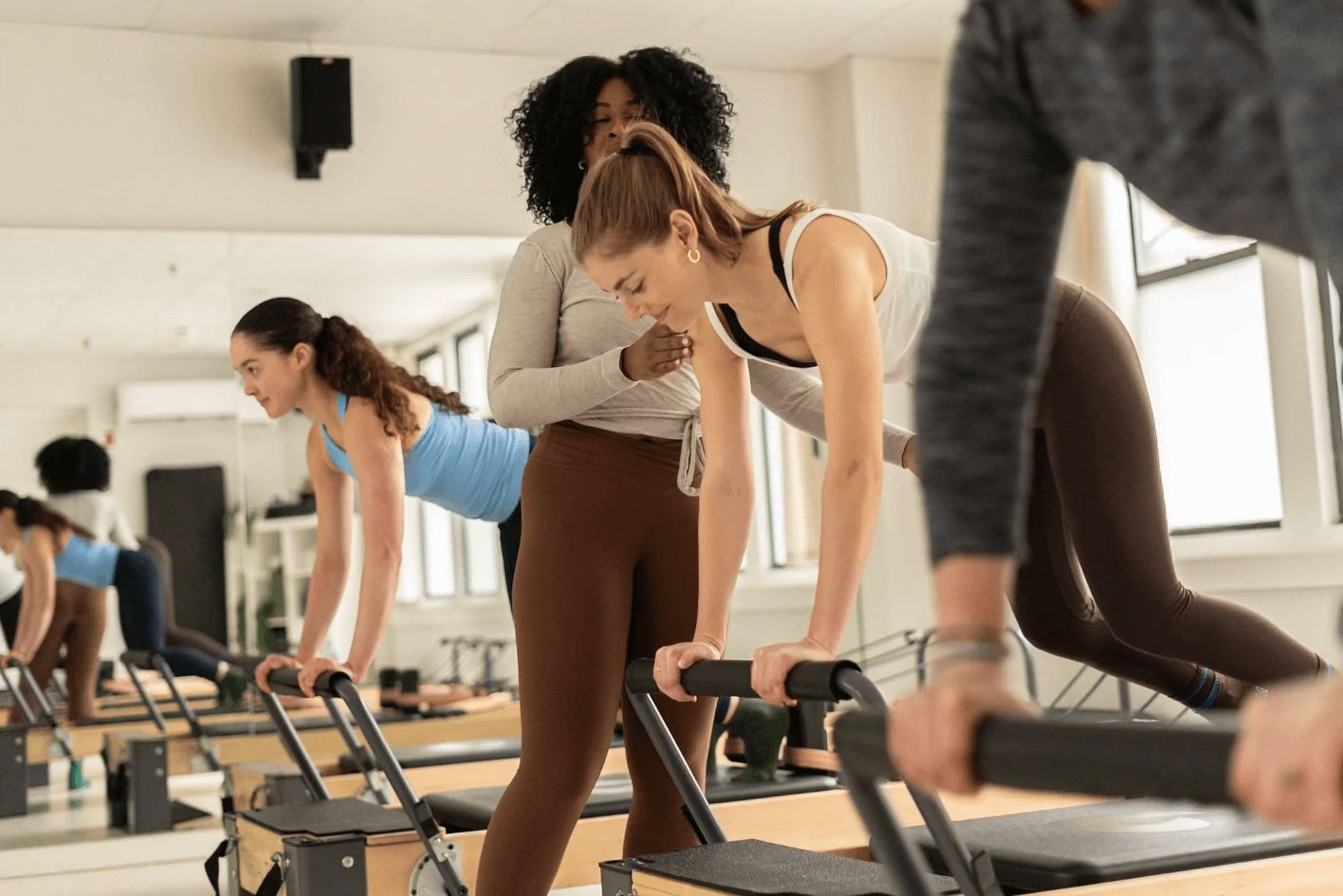
If you're looking for a low-impact, full-body workout that enhances both physical strength and mental clarity, Pilates may be the perfect fit. Whether you're easing into exercise for the first time or returning after a break, Pilates offers a gentle yet effective way to build strength, improve flexibility, and feel more connected to your body.
Here’s everything you need to know to get started confidently with Pilates.
What Is Pilates?
Developed by Joseph Pilates in the early 20th century, Pilates is a form of body conditioning that emphasizes core strength, controlled movement, and breath awareness. It was initially embraced by dancers recovering from injury, but today it’s accessible to nearly everyone regardless of age, ability, or fitness level.
A typical session involves flowing through a series of precise, intentional exercises that engage the abdominal muscles, back, hips, and glutes. The goal? To build muscular endurance, improve postural alignment, and enhance mobility all without high-impact strain on the joints.
Is Pilates Beginner-Friendly?
Absolutely. One of the best things about Pilates is its adaptability. There are more than 600 movements and modifications, making it an ideal workout for those just starting out or dealing with physical limitations.
The most beginner-friendly option is mat Pilates, which involves performing exercises using just your body weight on a yoga or Pilates mat. It’s approachable, affordable, and perfect for home practice.
Types of Pilates
Pilates comes in two main forms, both effective but distinct:
Mat Pilates: Performed on a mat using body weight. This is the ideal starting point for beginners.
Equipment-Based Pilates: Uses machines like the Reformer, tower, or resistance tools such as bands and balls to add variety and resistance.
If you’re new to Pilates, start with mat work. Once you’re comfortable with the basic principles and movements, equipment-based classes can offer new challenges.
Six Principles of Pilates
Every Pilates movement is rooted in six core principles:
Concentration – Mental focus is key to precise movement.
Control – Each motion is deliberate and intentional.
Centering – All movement is driven from your "powerhouse" (core).
Breath – Coordinated breathing helps deepen engagement.
Precision – Attention to form matters more than speed.
Flow – Movements are performed smoothly and continuously.
These principles transform Pilates into more than just a workout—they make it a mindful movement practice.
Who Should Talk to a Healthcare Provider First?
While Pilates is low-impact and suitable for most, some individuals should check with their doctor before beginning:
Those who are pregnant
People with recent surgeries
Anyone with heart conditions
Individuals recovering from musculoskeletal injuries
Always start with the version of Pilates that’s safest for your current health condition and physical ability.
Pilates as Strength Training
Pilates might not involve heavy weights, but don’t underestimate its power to build strength. Instead of bulking up muscles, Pilates focuses on toning, lengthening, and building endurance especially in your core. Studies show it can improve muscle control, stability, and even support weight management over time.
In fact, a recent study found that doing two Pilates sessions per week improved overall well-being and body composition in adults managing weight.
What You Need to Get Started
The best part about Pilates? You don’t need a lot to begin. For mat Pilates at home, all you need is:
A Pilates or yoga mat
Comfortable workout clothes
A quiet, open space
If you’re attending a studio class, you may encounter a Reformer, which is a sliding platform with springs and pulleys used to add resistance. Instructors will guide you through how to use it properly.
At-Home Pilates vs. Studio Classes
Starting your Pilates journey at home is completely doable, thanks to a wealth of beginner-friendly classes on apps and YouTube. However, research suggests that supervised Pilates classes offer greater benefits, particularly for form correction and long-term motivation.
If possible, begin with a few in-person classes to build confidence and learn correct technique. Then, you can mix in home workouts at your convenience.
Beginner Tips for Success
Start slow – One to two sessions a week is enough in the beginning.
Listen to your body – Modify movements as needed and avoid pushing into pain.
Stay consistent – Progress comes from regular practice, not intensity.
Pair with other activities – Pilates complements walking, swimming, and strength training.
While weight loss isn’t the primary goal of Pilates, the improved flexibility, posture, and mind-body awareness can support a more active lifestyle overall.
Found this article helpful? Share it or subscribe to our newsletter for more empowering fitness tips.