- Thriving Guide
- Posts
- Yes, Pomegranates Are Packed with Antioxidants
Yes, Pomegranates Are Packed with Antioxidants
This vibrant fruit delivers potent protection against inflammation, oxidative stress, and chronic disease here’s how to get the most from every bite or sip.

Audrey Sawyer
January 02, 2026
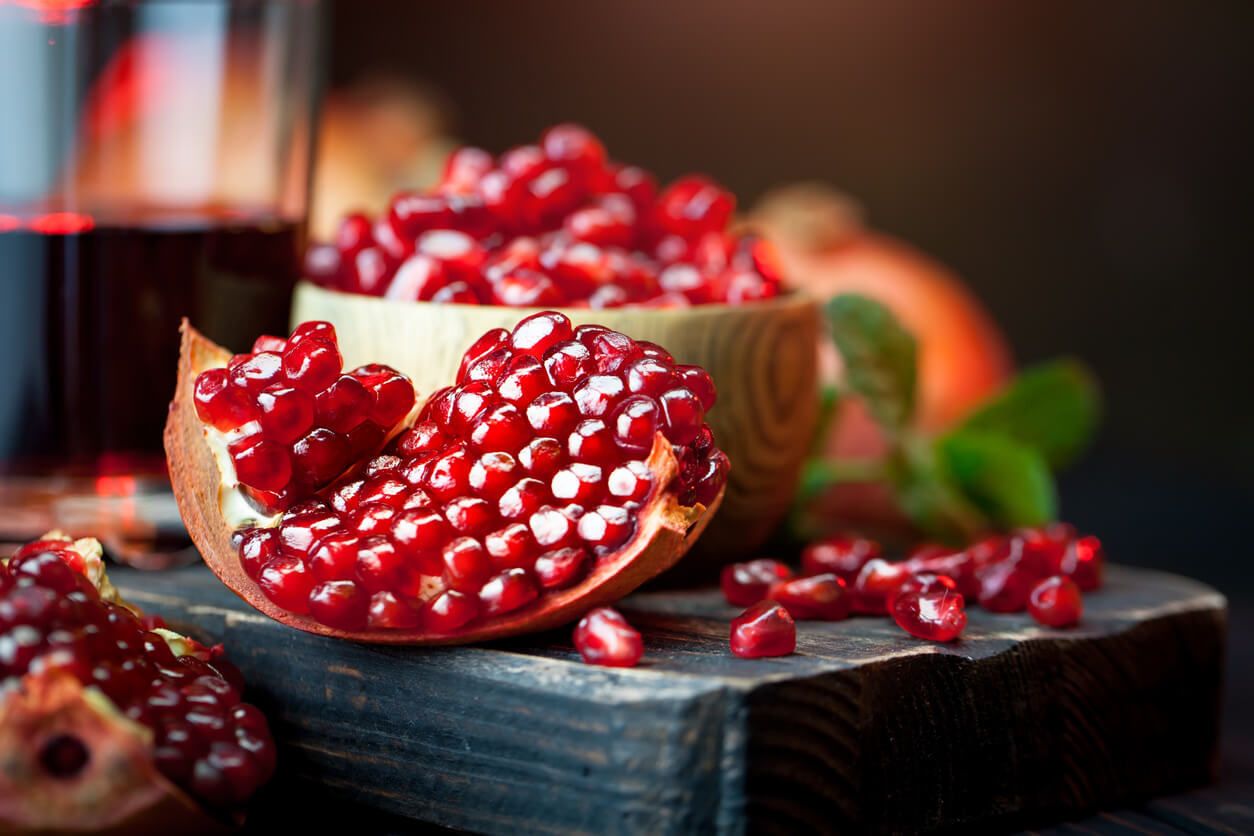
Pomegranates have earned their reputation as a "superfruit" for good reason. These ruby-red fruits are not only delicious and versatile, but they’re also incredibly rich in antioxidants natural compounds that help protect the body from inflammation, cell damage, and disease.
From their jewel-like seeds to their tough outer skin, nearly every part of the pomegranate contains antioxidants that support your heart, brain, skin, and overall health.
The Antioxidant Powerhouse: Punicalagin
One of the most potent antioxidants found in pomegranates is punicalagin a polyphenol compound almost exclusive to this fruit. Most concentrated in the peel and juice, punicalagin is converted by the body into urolithin A, which:
Reduces inflammation
Supports mitochondrial (cellular energy) function
Aids in tissue repair
Studies suggest punicalagin may help lower blood pressure, reduce blood sugar, improve cholesterol levels, and even protect against fatty liver disease and certain cancers, including colon cancer.
How Antioxidants Actually Work
Antioxidants like punicalagin fight free radicals unstable molecules that damage cells through a process called oxidation. Left unchecked, oxidative stress contributes to aging and chronic diseases such as heart disease, diabetes, and cancer. Antioxidants stabilize these free radicals, halting the cycle of damage and inflammation.
Meet the Anthocyanins: The Reason for That Deep Red Hue
Another class of powerful antioxidants in pomegranates is anthocyanins. These flavonoids give the fruit its vibrant red color and have been shown to:
Improve cardiovascular health by lowering blood pressure
Reduce LDL ("bad") cholesterol and raise HDL ("good") cholesterol
Support cognitive function and help slow age-related memory decline
Protect skin from UV radiation damage
Potentially reduce the risk of breast, liver, stomach, and lung cancers
Though berries like elderberry and blackberry are anthocyanin superstars, pomegranates contain amounts comparable to blueberries, cherries, and Concord grapes.
Ellagitannins and Ellagic Acid: Gut-Activated Antioxidants
Pomegranates also contain ellagitannins, a broader class of polyphenols that break down into ellagic acid in the gut. Ellagic acid is then transformed by healthy gut bacteria into urolithin A—the same anti-inflammatory compound created from punicalagin.
This transformation may:
Improve gut health by acting as a prebiotic
Support liver, kidney, and muscle function
Strengthen the immune system
You’ll also find ellagitannins in other foods like berries, nuts, and red wine but pomegranates are one of the richest sources.
Other Antioxidant Compounds in Pomegranates
In addition to punicalagin and anthocyanins, pomegranates contain a wide variety of plant-based compounds with antioxidant benefits:
Vitamin C – boosts immunity and collagen production
Quercetin – supports heart and brain health
Phenolic acids – reduce inflammation
Lignans – may support hormone balance
Triterpenoids – especially in the peel, offer antimicrobial and anti-inflammatory properties
Fatty acids – like linoleic acid in the seeds, contribute to skin and metabolic health
The Best Way to Get Antioxidants from Pomegranates
To maximize antioxidant intake from pomegranates, juice made from the entire fruit including peel, seeds, and pith is your best bet.
Cold-pressed juice retains more antioxidants than pasteurized juice.
Fresh juice should be consumed within 24–72 hours, as antioxidants degrade quickly when exposed to air and light.
Store-bought juice can still be effective, especially if labeled cold-pressed and consumed before its expiration date. Brands like POM Wonderful are high in punicalagin but also high in natural sugars, so portion size matters.
Want to go a step further? Look for deep red varietals like Angel Red, which tend to have higher antioxidant levels in the seeds and juice compared to lighter varieties.
How Often Should You Consume Pomegranate for Antioxidant Benefits?
While there’s no set dosage, incorporating pomegranate seeds, juice, or extract into your diet several times a week can contribute to your overall antioxidant intake. A half-cup of seeds or 4 ounces of juice is a solid starting point.
The Bottom Line
Yes, pomegranates are high in antioxidants and not just any antioxidants, but some of the most unique and potent found in nature. Whether you're sipping cold-pressed juice or enjoying the seeds straight from the fruit, pomegranate can play a powerful role in protecting your body from inflammation, aging, and disease.
If you enjoyed this article, share it with someone who loves natural wellness or subscribe to our newsletter for more tips on how to nourish your body with the best nature has to offer.