- Thriving Guide
- Posts
- How to Prevent Ingrown Hairs Easily
How to Prevent Ingrown Hairs Easily
Say goodbye to irritation, bumps, and redness with these expert-approved steps for smoother, healthier skin.

Audrey Sawyer
February 10, 2026
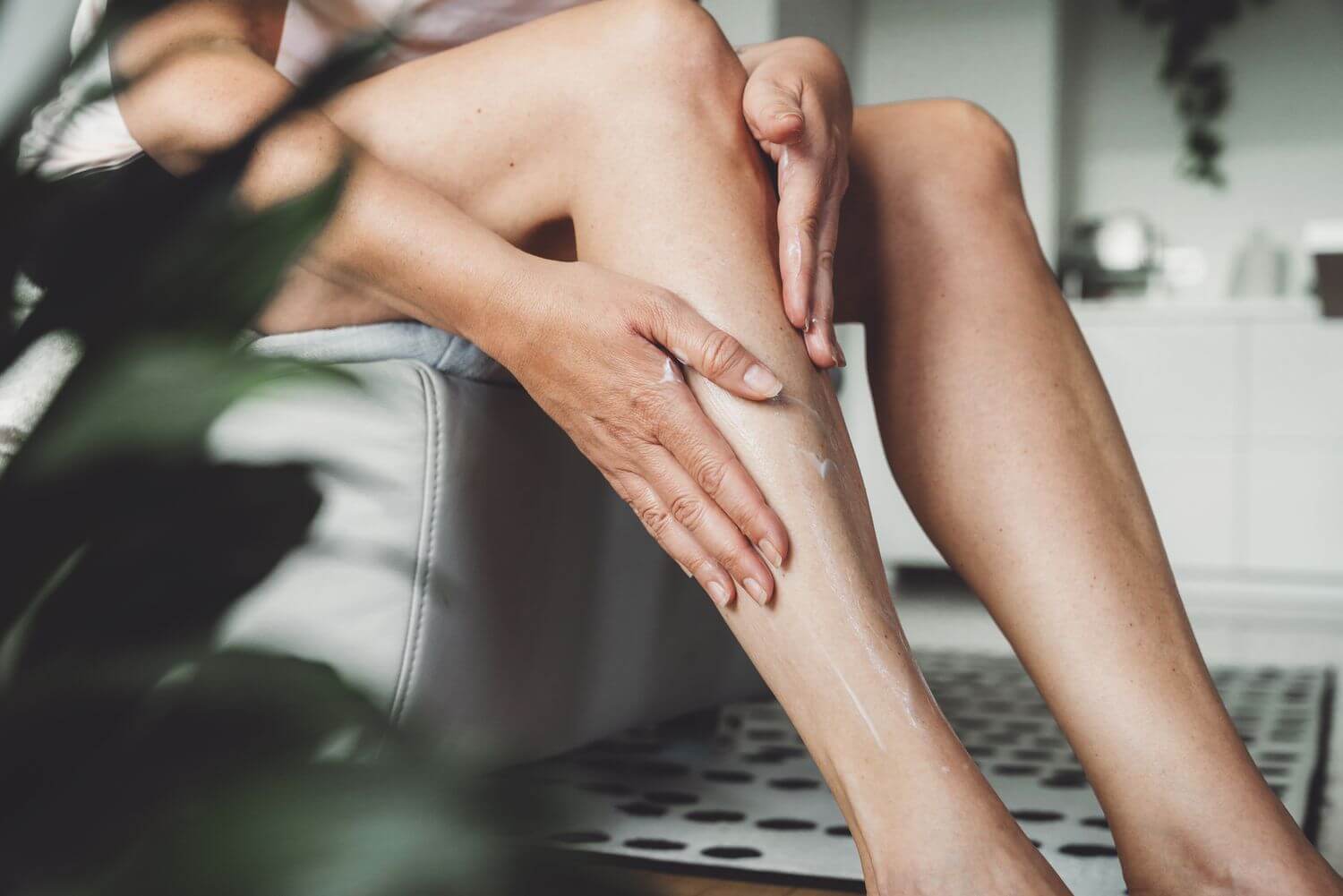
Ingrown hairs are more than just a cosmetic nuisance they can be painful, irritating, and even lead to long-term skin discoloration or scarring. These occur when a hair grows back into the skin instead of out, often triggered by improper shaving techniques or clogged follicles.
Whether you’re dealing with occasional bumps or frequent flare-ups, there are simple steps you can take to minimize the chances of developing ingrown hairs.
1. Start With Clean Skin
Wash the area with a noncomedogenic (pore-safe) cleanser before shaving. This removes bacteria, oil, and dead skin cells that could block hair follicles and trap hair beneath the skin’s surface.
2. Exfoliate Gently
Use a soft washcloth, skin brush, or mild exfoliating scrub in circular motions to loosen dead skin and lift trapped hairs. This not only preps your skin for a smoother shave but also reduces the risk of hairs curling back into the skin.
3. Use a Sharp Razor
A dull blade increases friction and irritation, making ingrown hairs more likely. Replace disposable razors every 5 to 7 shaves, and maintain electric razors per the manufacturer’s instructions.
4. Apply a Shaving Lubricant
Shaving gels or creams especially those designed for sensitive skin reduce friction and allow the razor to glide smoothly. Let the product sit for a minute before shaving, and reapply as needed to avoid dryness.
5. Shave With the Grain
Always shave in the direction of hair growth, not against it. Shaving against the grain may give a closer shave but also raises the risk of hair being cut too short and curling into the skin.
6. Don’t Shave Too Closely
Avoid pressing the razor hard or going over the same area more than twice. Cutting hairs too close to the skin can cause them to grow inward instead of outward.
7. Rinse Your Razor Often
Rinse after nearly every swipe to remove dead skin, hair, and product buildup. A clean blade is essential for preventing clogged follicles and razor burn.
8. Avoid Pulling or Stretching Skin
It may seem like pulling your skin taut helps with a closer shave, but it can actually cause hairs to retract beneath the surface and grow inward. Use light tension only if needed, especially on curved areas.
9. Use a Cool Compress After Shaving
Apply a cool, damp cloth for five minutes after shaving to calm inflammation and remove any leftover product that could clog pores.
10. Moisturize Right After
Hydrating your skin with a non-irritating lotion or aftershave can prevent dryness and soothe irritation. Look for products with calming ingredients like aloe vera or chamomile.
11. Wear Loose Clothing
Tight-fitting clothes can rub against freshly shaved areas, increasing friction and irritation. Choose breathable, loose fabrics especially if you've just shaved or waxed.
Hair Removal Alternatives to Consider
If shaving continues to cause frequent ingrown hairs, explore these alternatives:
Waxing: Removes hair from the root, though it can still lead to ingrowns if not done correctly.
Threading: Commonly used on the face, it removes multiple hairs quickly and cleanly.
Plucking: Best for individual hairs but can still irritate the skin if overused.
Depilatory creams: Dissolve hair chemically; choose gentle, skin-safe formulas.
Laser hair removal: Targets the hair follicle with light, significantly reducing regrowth over time.
Electrolysis: Destroys the follicle using an electrical current and offers permanent results with multiple treatments.
When to Seek Medical Help
Occasional ingrown hairs are common, but recurring or severe cases may require professional care. See a dermatologist if:
You’ve changed your shaving habits but still get ingrown hairs regularly
The area becomes painful, swollen, or warm
You notice pus, fever, or spreading redness
These could be signs of an infection or a cyst, which may need medical treatment.
The Bottom Line
Preventing ingrown hairs is mostly about preparation and technique. From cleaning and exfoliating to moisturizing and shaving correctly, small habits can make a big difference in keeping your skin smooth, healthy, and bump-free.
If you found this guide useful, subscribe to our newsletter or share it with someone who could use smoother skin.