- Thriving Guide
- Posts
- Protein Power: Elevate Your Salad Game
Protein Power: Elevate Your Salad Game
A salad can be a satisfying and protein-rich powerhouse.
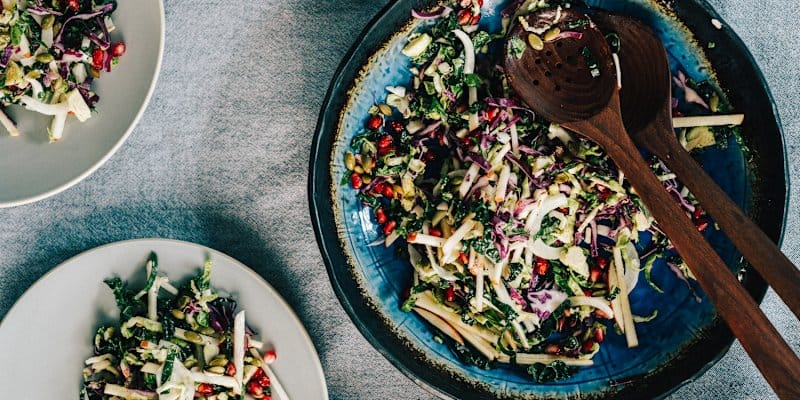
The Mighty Salad: More Than Just Greens
Salads often get a bad rap as a side dish or a light bite, but with a strategic approach, they can become a complete and satisfying meal, delivering a substantial dose of protein to fuel your day. Forget flimsy lettuce and a few cucumber slices; we're talking vibrant, nutrient-dense bowls packed with flavor and staying power.
Building Your Protein-Packed Foundation
The key to transforming your salad is understanding the protein equation. Aim for at least 30 grams of protein per serving to ensure satiety and support muscle health. How do you achieve this? It’s simpler than you might think. Let's break it down:
1. Choose Your Protein Star
This is the foundation of your protein-packed salad. Opt for lean protein sources that provide a significant boost without excess saturated fat. Consider these options:
- Grilled Chicken Breast: A classic choice, offering around 26 grams of protein per 3.5-ounce serving.
- Hard-Boiled Eggs: A convenient and affordable option, with about 6 grams of protein per egg. Two or three eggs can make a real difference.
- Salmon: Rich in omega-3 fatty acids and protein (around 22 grams per 3-ounce serving), salmon adds a healthy dose of fats and flavor.
- Lentils or Chickpeas: Plant-based powerhouses, offering around 18 grams of protein per cup. They also provide fiber for added satiety.
- Tofu or Tempeh: Versatile soy-based options that readily absorb flavors. A 4-ounce serving of tofu boasts about 9 grams of protein, while tempeh provides closer to 20.
2. Boost with Secondary Sources
Don't rely solely on your primary protein source. Adding smaller amounts of other protein-rich ingredients can significantly increase the overall protein content and add variety to your salad. Try these:
- Nuts and Seeds: Almonds, walnuts, pumpkin seeds, and sunflower seeds offer a healthy dose of protein and healthy fats.
- Cheese: Feta, goat cheese, or a sprinkle of Parmesan can add flavor and a few grams of protein.
- Quinoa: A complete protein source, quinoa adds a nutty flavor and satisfying texture.
- Edamame: These little soybeans are packed with protein and fiber.
3. The Veggie Advantage
While vegetables are not primary sources of protein, they contribute essential nutrients and fiber, which are crucial for overall health and satiety. Load up on leafy greens, colorful bell peppers, cucumbers, tomatoes, and any other veggies you enjoy. Consider adding some cruciferous vegetables like broccoli or cauliflower for added fiber and micronutrients.
4. Dressing Considerations
Be mindful of your dressing choices. Opt for vinaigrette-based dressings made with olive oil and vinegar, or create your own to control the ingredients and avoid added sugars and unhealthy fats. A squeeze of lemon juice and a drizzle of olive oil is always a simple and healthy choice.
Example Protein-Packed Salad
Here's an example to get you started: Combine 4 ounces of grilled chicken breast (approx. 31g protein), 1/2 cup of quinoa (4g protein), 1/4 cup of almonds (6g protein), a variety of colorful vegetables, and a light vinaigrette dressing. This salad provides well over 40 grams of protein, keeping you full and energized for hours.
With a little planning and creativity, you can transform your salad from a side dish into a protein-packed, satisfying, and nutritious meal.
For more insights on nutrition, subscribe to our newsletter.