- Thriving Guide
- Posts
- How to Reduce Age-Related Muscle Loss 3 Science-Backed Tips
How to Reduce Age-Related Muscle Loss 3 Science-Backed Tips
Targeted exercise and protein strategies can slow age-related muscle decline and help you stay strong, steady, and independent.

Audrey Sawyer
February 11, 2026
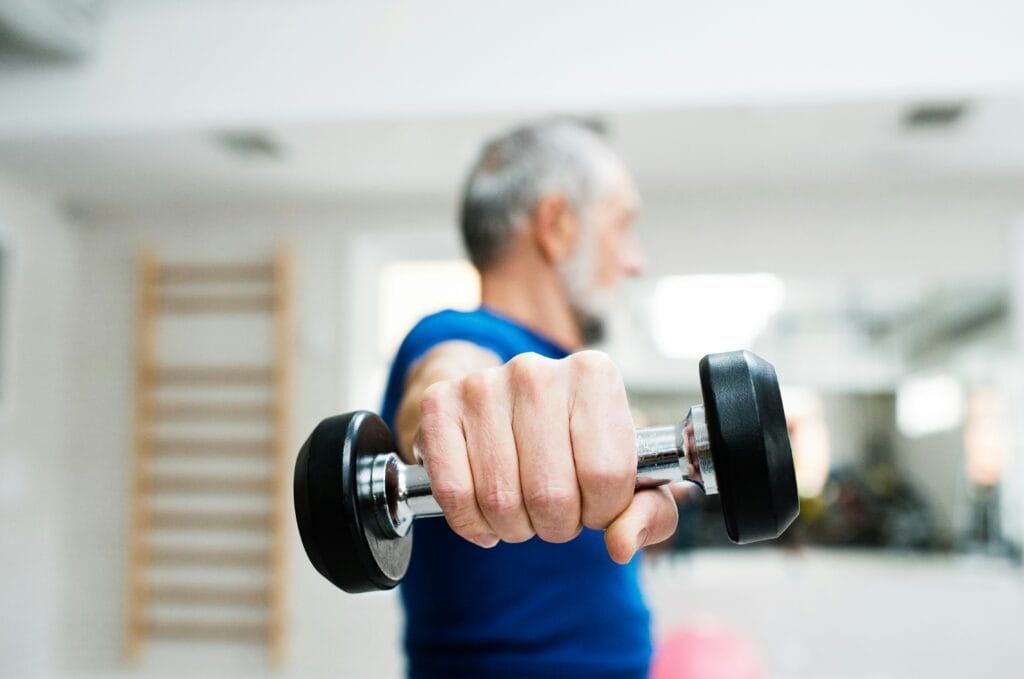
As we age, losing muscle isn’t just about strength it’s about independence. All adults gradually experience muscle decline, but in some cases, this progresses into sarcopenia, a more severe, age-related condition that affects balance, walking ability, and daily functioning. It also increases the risk of falls, which are a leading cause of serious injury in older adults.
The good news? You can take active steps to slow this process. Research shows that combining movement and nutrition strategies offers real protection against muscle loss. Here are three science-backed ways to maintain your strength as you age.
1. Pair Resistance and Balance Training
A 2024 meta-analysis published in the Journal of Nutrition, Health & Aging found that combining resistance training, balance exercises, and protein supplementation improved physical function in older adults with sarcopenia. Participants showed better walking speed, grip strength, and lean muscle mass.
According to Rachel Prusynski, DPT, PhD, a rehabilitation medicine specialist at the University of Washington, the key is balance: literally. “Because resistance training doesn’t directly address balance, exercises that specifically target balance should be added,” she explained.
Here’s how to apply it:
Resistance training: Aim for twice a week. Use weights, resistance bands, or bodyweight exercises like squats, push-ups, or step-ups.
Balance exercises: Try activities like standing on one leg, heel-to-toe walking, or navigating uneven surfaces. Ideally, practice these three or more times per week.
Increase difficulty gradually: If you can easily do 10 or more repetitions, it’s time to increase resistance or challenge your balance further.
These combined movements train both strength and stability, helping reduce the risk of falls and keeping you functional for everyday tasks.
2. Eat More Protein Strategically
While protein plays a crucial role in muscle maintenance, it’s most effective when combined with exercise. Simply increasing protein intake alone didn’t improve strength or mobility in the study’s findings.
Caroline Susie, RDN, LD, a registered dietitian and spokesperson for the Academy of Nutrition and Dietetics, recommends a “food-first” approach. Whole food sources like:
Chicken, fish, or turkey
Eggs
Greek yogurt or cottage cheese
Beans, nuts, and seeds
Try aiming for 25–30 grams of protein per meal, evenly spaced throughout the day to support muscle repair and growth. This also helps prevent the muscle breakdown that often accompanies aging, especially in adults over 60.
3. Know When to Use Protein Supplements
For some older adults, protein shakes or powders can be a helpful addition especially for those with low appetite, restricted diets, or those taking GLP-1 medications (like semaglutide), which are known to cause loss of lean body mass.
“Older adults on GLP-1 drugs may lose significant muscle, and this may push some over the threshold into frailty,” said Susie. In these cases, convenient and digestible protein supplements can help close the nutritional gap.
However, Dr. Shahreen Panarotto, medical director of geriatrics at St. Joseph’s Health, stresses the importance of personalized guidance:
People with kidney disease may need to limit protein
Those with gout might need to avoid red meat
Individuals with diabetes should choose sugar-free protein drinks
Not all supplements are created equal. Some protein powders may be difficult to digest or include ingredients that aren’t suitable for older adults, so it's best to discuss options with a healthcare provider.
Final Thoughts
Muscle loss with age is common, but it doesn’t have to be inevitable. Combining strength training, balance-focused movement, and adequate protein intake is the most effective way to stay mobile, strong, and independent for longer.
If you found this helpful, subscribe to our newsletter or share it with someone who could benefit from building strength at any age.