- Thriving Guide
- Posts
- Rethinking Your Soap: Antibacterial Isn't Always Better
Rethinking Your Soap: Antibacterial Isn't Always Better
Simplicity often trumps aggressive solutions when it comes to health.
The Unexpected Downside of Antibacterial Soap
We're bombarded with products promising to eliminate every germ in sight. Antibacterial soaps, marketed as a superior way to cleanse, have become commonplace in homes and public restrooms. But emerging scientific evidence suggests these super soaps might be doing more harm than good.
The Hygiene Hypothesis and Our Microbiome
The "hygiene hypothesis" proposes that overly sterile environments early in life can actually hinder the development of a robust immune system. Constant exposure to a diverse range of microbes is crucial for training our immune cells to distinguish between harmless and harmful invaders. By eliminating too many microbes, antibacterial soaps could inadvertently weaken our natural defenses.
Furthermore, our skin is home to a complex ecosystem of bacteria, fungi, and viruses known as the skin microbiome. This microbiome plays a vital role in maintaining skin health, preventing infections, and even influencing our immune system. Antibacterial soaps, with their broad-spectrum killing power, can disrupt this delicate balance, potentially leading to skin problems like eczema or increased susceptibility to infections.
The Rise of Antibiotic Resistance
One of the most significant concerns surrounding antibacterial soaps is their contribution to antibiotic resistance. The active ingredients in many of these soaps, such as triclosan and triclocarban, can kill bacteria, but they also exert selective pressure, favoring the survival and proliferation of resistant strains. Over time, this can lead to the emergence of bacteria that are resistant not only to these antibacterial agents but also to clinically important antibiotics, making infections harder to treat.
Good Old Soap and Water: A Simple Solution
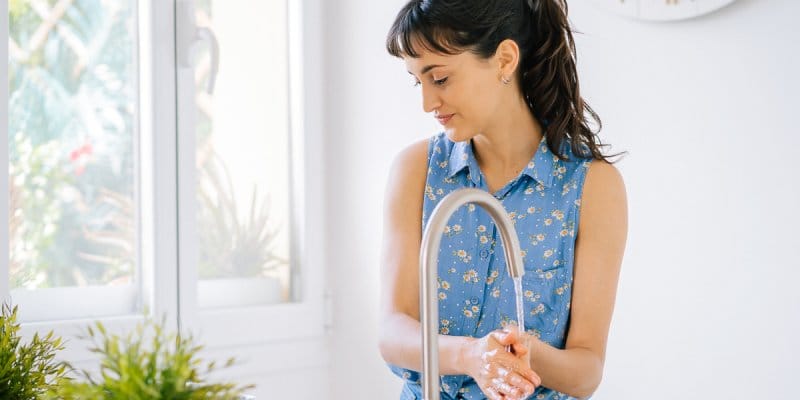
So, what's the alternative? The answer is surprisingly simple: good old-fashioned soap and water. Plain soap works by physically removing dirt, oil, and microbes from the skin. It doesn't kill bacteria, but it effectively washes them away, preventing them from causing harm. This method is gentle on the skin microbiome and doesn't contribute to antibiotic resistance.
When is Antibacterial Soap Necessary?
While routine use of antibacterial soap is generally discouraged, there are specific situations where it might be warranted. Healthcare settings, where the risk of infection is higher, may still benefit from the use of antibacterial soaps or hand sanitizers. Individuals with certain medical conditions or compromised immune systems may also need to use antibacterial products under the guidance of a healthcare professional. However, for everyday use, plain soap and water remain the safest and most effective choice.
Making the Switch
Consider switching to plain soap and water for your daily handwashing routine. Look for soaps that are free of triclosan, triclocarban, and other antibacterial agents. Your skin and your immune system will thank you for it.
For more insights on science, subscribe to our newsletter.