- Thriving Guide
- Posts
- Your Guide to Salicylic Acid Peels
Your Guide to Salicylic Acid Peels
From clearer pores to smoother skin, here’s your complete guide to this popular exfoliating treatment.

Audrey Sawyer
December 01, 2025
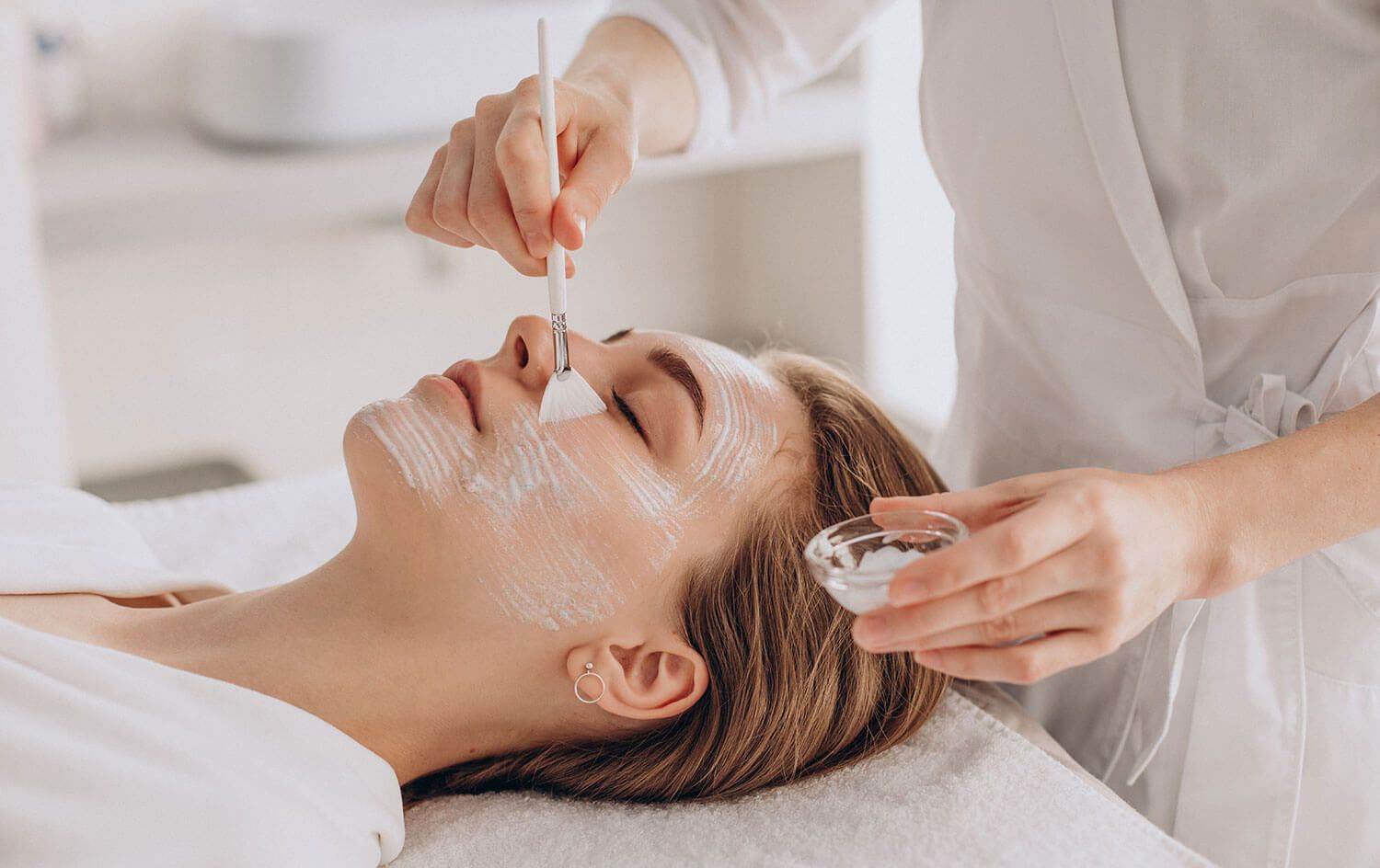
Whether you're battling breakouts, dull skin, or stubborn dark spots, salicylic acid peels may offer a simple yet powerful solution. These exfoliating treatments are popular for their ability to unclog pores, refine skin texture, and target a range of concerns from acne to sun damage. But how do they actually work, and what can you expect during and after a peel?
Here’s everything you need to know before adding this skincare staple to your routine.
What Is a Salicylic Acid Peel?
Salicylic acid is a type of beta-hydroxy acid (BHA) that works by loosening dead skin cells and penetrating oil-filled pores making it especially effective for acne-prone or oily skin. Peels range in strength from over-the-counter products (up to 20%) to professional-grade treatments (30–50%), which are typically administered by dermatologists or licensed estheticians.
Key Benefits of Salicylic Acid Peels
Brighter, smoother skin: Salicylic acid promotes cell turnover, improving skin texture and tone
Smaller-looking pores: By clearing out built-up oil and debris, pores appear less noticeable
Fewer blackheads and breakouts: It’s comedolytic, meaning it unclogs pores and reduces oil
Anti-aging effects: Helps soften fine lines and fade sun damage
Even skin tone: Over time, peels can reduce dark spots, melasma, and post-acne pigmentation
At-Home Salicylic Acid Peels
Superficial salicylic acid peels can be done at home and are widely available in the form of:
Pads
Gels
Serums
Liquid solutions
These formulas typically contain up to 20% salicylic acid and work on the outermost layer of the skin. They don’t usually cause visible peeling but do help your skin shed dead cells more efficiently.
Important Tips for At-Home Use:
Follow instructions exactly: Some products require rinsing off, while others are leave-on
Expect a mild tingling: A slight sensation is normal, but burning or stinging is not rinse immediately if this occurs
Don’t overuse: More is not better. Using a peel too often or leaving it on too long can lead to irritation
Watch product combinations: Avoid layering with strong actives like retinoids unless advised by a professional
Professional Salicylic Acid Peels
For deeper exfoliation or more targeted treatment, professional peels use higher concentrations (30–50%) and lower pH levels. These can reach deeper into the skin and offer faster, more noticeable results.
What Happens During a Professional Peel:
Cleansing: Your skin is thoroughly cleansed and prepped
Application: The solution is applied in one or more layers and left on for 3–5 minutes
Sensation: Expect mild stinging or a warm feeling usually tolerable
Neutralization: The peel is either rinsed off or self-neutralizes
Moisturizer: A calming product is applied to soothe the skin
These peels are often offered as part of a facial and can be customized based on your skin type and goals. You may need a series of 3–10 treatments spaced out over several weeks for best results.
Post-Peel Care and Recovery
After a peel, your skin may be:
Slightly red or shiny
Feeling tight or sensitive
Peeling or flaking (usually minor and starts after 2–4 days)
To care for your skin post-peel:
Use gentle cleansers and hydrating moisturizers
Avoid active ingredients like retinoids or exfoliants for several days
Apply sunscreen daily, as your skin will be more sensitive to UV damage
Possible Side Effects
While generally safe, especially when done by professionals, salicylic acid peels can cause:
Dryness or flaking
Mild irritation or stinging
Temporary darkening or lightening of the skin
Cold sore flare-ups (if you’re prone to them)
Who Should Avoid These Peels?
You should skip salicylic acid peels if you:
Are allergic to salicylates (including aspirin)
Are pregnant
Have open cuts, sunburn, or irritated skin
Are currently using isotretinoin (Accutane), unless cleared by a dermatologist
The Bottom Line
Salicylic acid peels are an effective and accessible way to tackle acne, uneven tone, and dull skin. Whether you go the at-home route or opt for professional treatments, consistent use can reveal a clearer, more radiant complexion over time.
If you enjoyed this guide, subscribe to our newsletter or share it with a skincare enthusiast in your life.