- Thriving Guide
- Posts
- The Impact of Saturated Fats on Heart Health
The Impact of Saturated Fats on Heart Health
They’re not all bad but how much you eat, and what you eat instead, really matters.

Audrey Sawyer
February 06, 2026
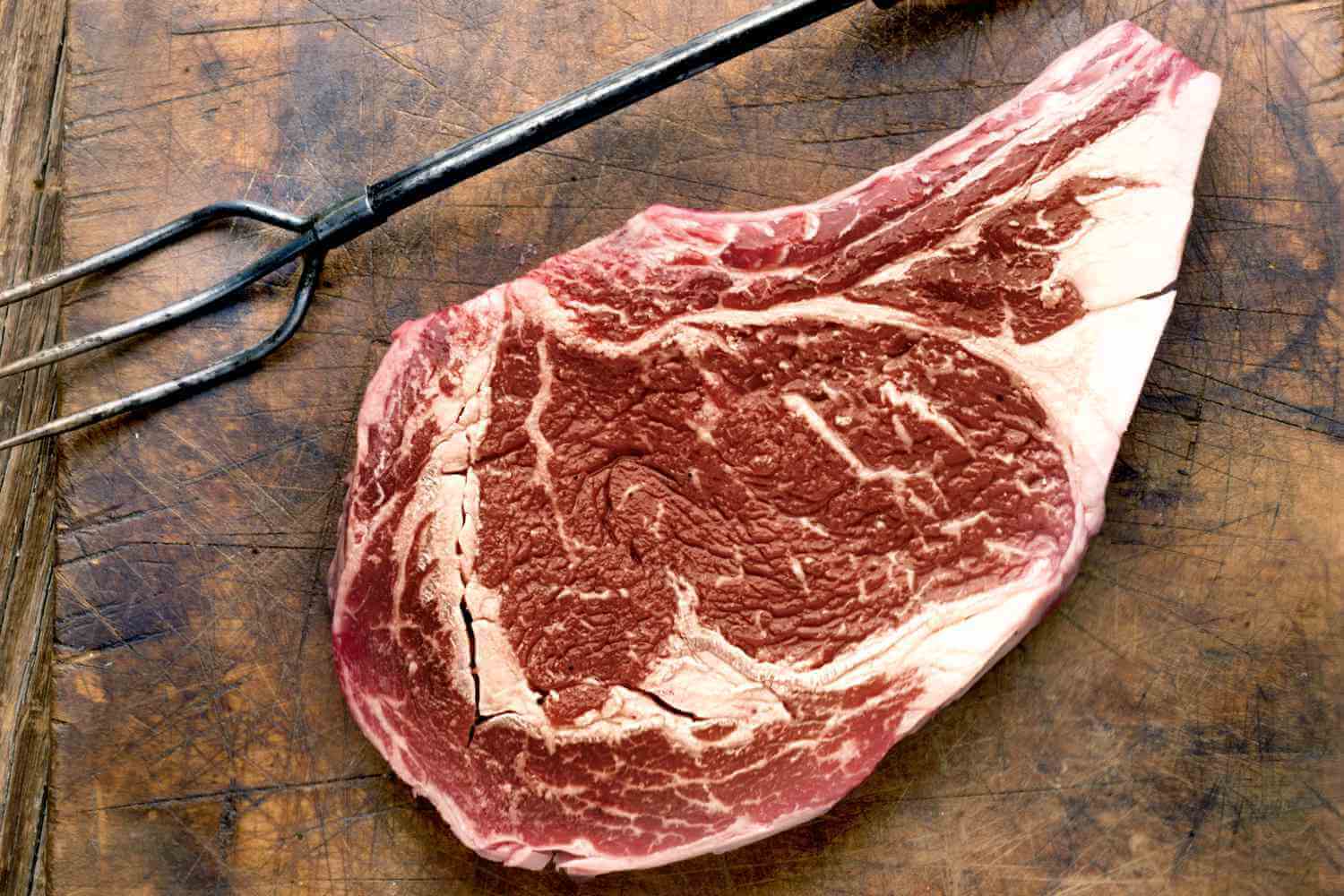
If you've ever felt confused about whether saturated fats are “bad,” you’re not alone. With butter boards trending on social media and whole milk making a comeback, it's easy to get mixed messages about what’s truly heart-healthy.
Here's what current science and top cardiologists actually say about saturated fats and how they affect your long-term heart health.
What Are Saturated Fats, Exactly?
Saturated fats are found in foods like red meat, butter, lard, palm oil, cheese, and full-fat dairy. These fats are solid at room temperature and have long been linked to raising LDL (or "bad") cholesterol, which can contribute to plaque buildup in the arteries.
According to the American Heart Association (AHA), elevated LDL cholesterol is a major risk factor for cardiovascular disease, which remains the leading cause of death in the U.S.
The Link Between Saturated Fat and Heart Disease
A recent review published in Annals of Internal Medicine confirmed what many previous studies have shown: for people at high risk of heart disease, replacing saturated fats with polyunsaturated fats such as those found in plant oils, nuts, seeds, and fatty fish can significantly reduce cardiovascular events like heart attacks and strokes.
This is particularly relevant for people with:
High blood pressure
Elevated LDL cholesterol
Type 2 diabetes
A history of heart disease
What About People at Low Risk?
Interestingly, the review found that individuals at low cardiovascular risk saw little to no benefit from reducing saturated fat at least in the short term.
But experts caution against taking that as a green light to indulge. “Low risk today doesn't mean low risk forever,” said Dr. Sean Heffron, a preventive cardiologist at NYU Langone Heart. He points out that most studies only follow participants for about five years hardly enough time to assess the cumulative damage a high-saturated-fat diet might cause.
If you’re young and healthy now, your diet still lays the foundation for your future heart health.
Recommended Limits on Saturated Fat
The 2025–2030 Dietary Guidelines for Americans continue to recommend that no more than 10% of daily calories come from saturated fat. The AHA is even more conservative, advising a limit of 6%, especially for those at elevated cardiovascular risk.
Rather than obsessing over numbers, though, experts suggest making gradual, realistic changes:
Swap butter for olive oil or avocado oil in cooking.
Choose lean cuts of meat and limit high-fat red meats.
Opt for low-fat or non-dairy alternatives for milk and yogurt.
Reduce frequency of processed and fried foods.
“Diet is so personalized,” Dr. Heffron notes. “For someone who eats a burger every day, cutting back to every other day might be a meaningful step.”
So, Are Saturated Fats 'Bad'?
Not inherently. “Saturated fat is neither good nor bad,” said Debbie Petitpain, RDN, a spokesperson for the Academy of Nutrition and Dietetics. “It depends on the amount you eat, your overall diet, your health profile, and what you replace it with.”
Focusing on one nutrient often misses the bigger picture. A heart-healthy diet is more about patterns than individual foods.
For better cardiovascular health, aim for a dietary approach that emphasizes:
Fruits and vegetables
Whole grains
Legumes
Nuts and seeds
Healthy fats like olive oil and fatty fish
Meanwhile, try to limit highly processed foods and excess sugar—both of which are independently associated with heart disease risk.
Quick Stat Check:
Cardiovascular disease causes 1 in every 5 deaths in the U.S.
Americans consume an average of 11% of daily calories from saturated fat—above the recommended limit.
Replacing 5% of energy from saturated fats with polyunsaturated fats is associated with a 25% lower risk of coronary heart disease.
Ultimately, moderation and balance are key. Saturated fats don’t need to be eliminated but understanding your personal risk and making thoughtful swaps can protect your heart for decades to come.
If you found this article helpful, consider sharing it or subscribing to our newsletter for more insights.