- Thriving Guide
- Posts
- The Hidden Health Risks of Scented Candles
The Hidden Health Risks of Scented Candles
From hidden allergens to indoor air pollution, here's what you should know before lighting your favorite fragrance.

Audrey Sawyer
December 11, 2025
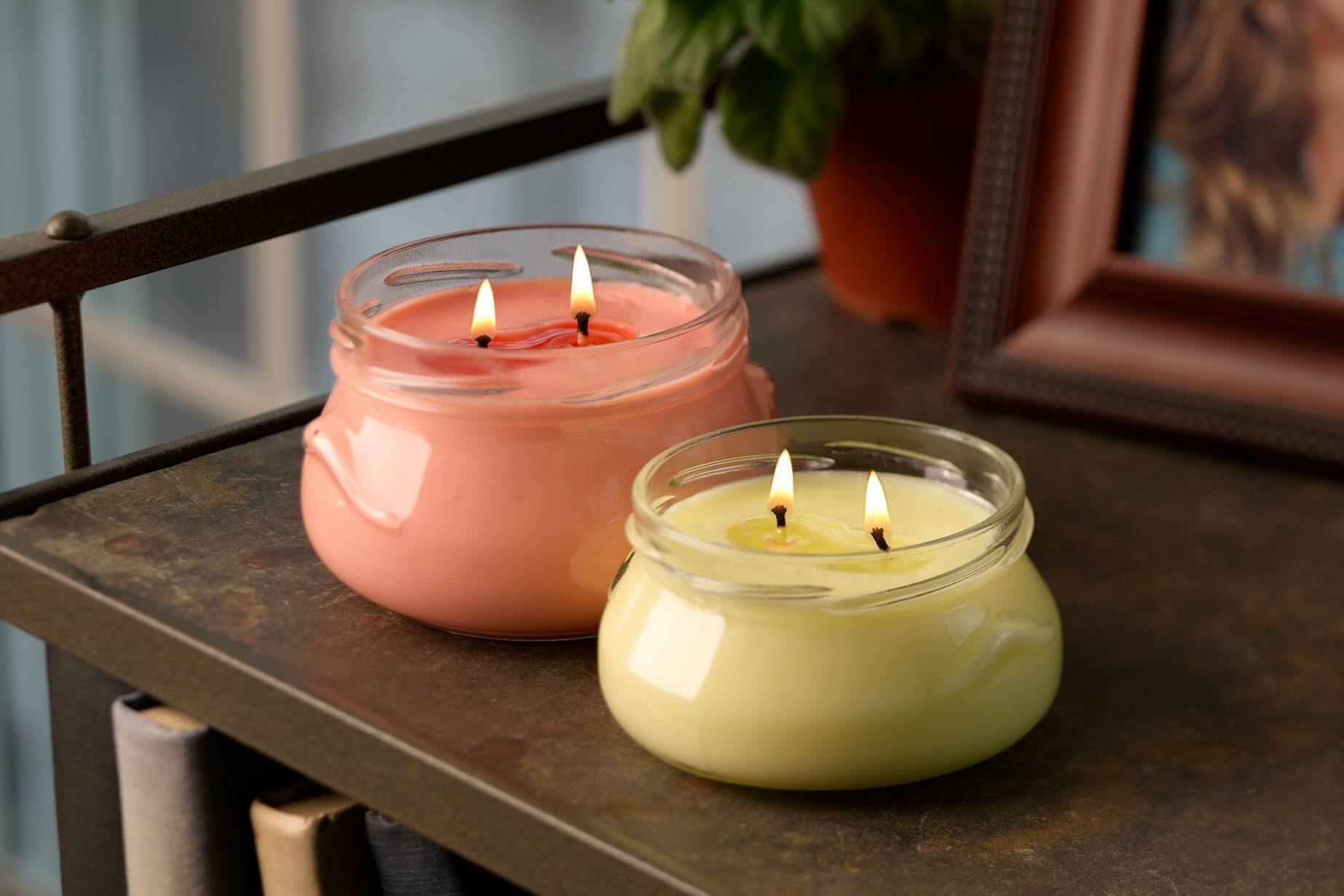
There’s something undeniably cozy about lighting a scented candle whether it's to create a calm mood, elevate a space, or mark the change of seasons. But while their warm glow and signature scents are tempting, scented candles can carry hidden health risks that are worth considering, especially if you or your loved ones are sensitive to fragrances or prone to respiratory issues.
Here’s what you should know before adding another candle to your home or gifting one to someone else.
1. They Release Irritants into the Air
When burned, scented candles release airborne irritants that can affect anyone not just those with allergies. The combination of wax, fragrance oils, and combustion can trigger:
Headaches
Coughing
Shortness of breath
Runny nose
Skin irritation or rashes
Even in well-ventilated rooms, these compounds can linger and cause discomfort after just a few minutes of exposure.
2. Fragrances Can Trigger Allergic Reactions
Whether synthetic or “natural,” the fragrance compounds in scented candles are among the top allergens found in household products. Even unlit, heavily fragranced candles can emit vapors that cause:
Sneezing
Itchy or watery eyes
Nasal congestion
Postnasal drip
According to the American College of Allergy, Asthma, and Immunology, fragrance is one of the most common triggers of allergic contact dermatitis and can provoke symptoms in people with fragrance sensitivity or allergic rhinitis.
3. They May Set Off Asthma Symptoms
People with asthma may be especially sensitive to airborne irritants and scents. Compounds released from scented candles can cause inflammation in the airways, triggering:
Wheezing
Chest tightness
Difficulty breathing
In fact, the Asthma and Allergy Foundation of America notes that asthma triggers can include both artificial fragrances and smoke, both of which are released when a candle burns.
If you or someone in your household lives with asthma, it's worth reconsidering regular candle use or at least switching to non-scented, clean-burning alternatives.
4. They Contribute to Indoor Air Pollution
Paraffin wax, one of the most common candle materials, is a byproduct of petroleum. When burned, it releases volatile organic compounds (VOCs) like benzene, toluene, and acetone. Long-term exposure to these chemicals has been linked to:
Respiratory issues
Worsening of chronic lung conditions
Increased cancer risk
Artificial fragrances may also contain phthalates, chemicals associated with hormone disruption and reproductive concerns. While occasional use is unlikely to cause harm, routine exposure in poorly ventilated spaces could add to your indoor pollution load.
Tip: Trimming your wick to ¼ inch before each burn and ensuring good airflow can help reduce soot and VOC levels.
5. Scented Candles Can Be a Fire Hazard
Beyond the health concerns, candles also pose a very real fire risk. According to the National Fire Protection Association:
Candles cause 4% of all reported home fires
One-third of these fires start in the bedroom
Fires peak during the holiday season
To stay safe while enjoying candles:
Never leave a candle unattended
Keep them at least 12 inches away from flammable objects
Avoid placing them near curtains, paper, or decor
Store matches and lighters out of reach of children
Consider using battery-operated flameless candles if you want the ambiance without the risk.
What to Consider Before Gifting Candles
Scented candles remain a popular go-to gift but they may not be suitable for everyone. If you’re considering giving one:
Ask if the recipient has allergies, asthma, or fragrance sensitivities
Choose unscented or essential oil-based options when in doubt
Include safety tips on the card or label
There are plenty of alternative gifts that offer relaxation without the potential downsides, such as herbal teas, cozy blankets, or a diffuser with natural essential oils.
If you found this helpful, share it with a friend or subscribe to our newsletter for more health-focused insights.