- Thriving Guide
- Posts
- How to Tell If You’re Allergic to Cats
How to Tell If You’re Allergic to Cats
From sneezing fits to itchy eyes, here's how to recognize cat allergies and what to do about them.

Audrey Sawyer
December 11, 2025
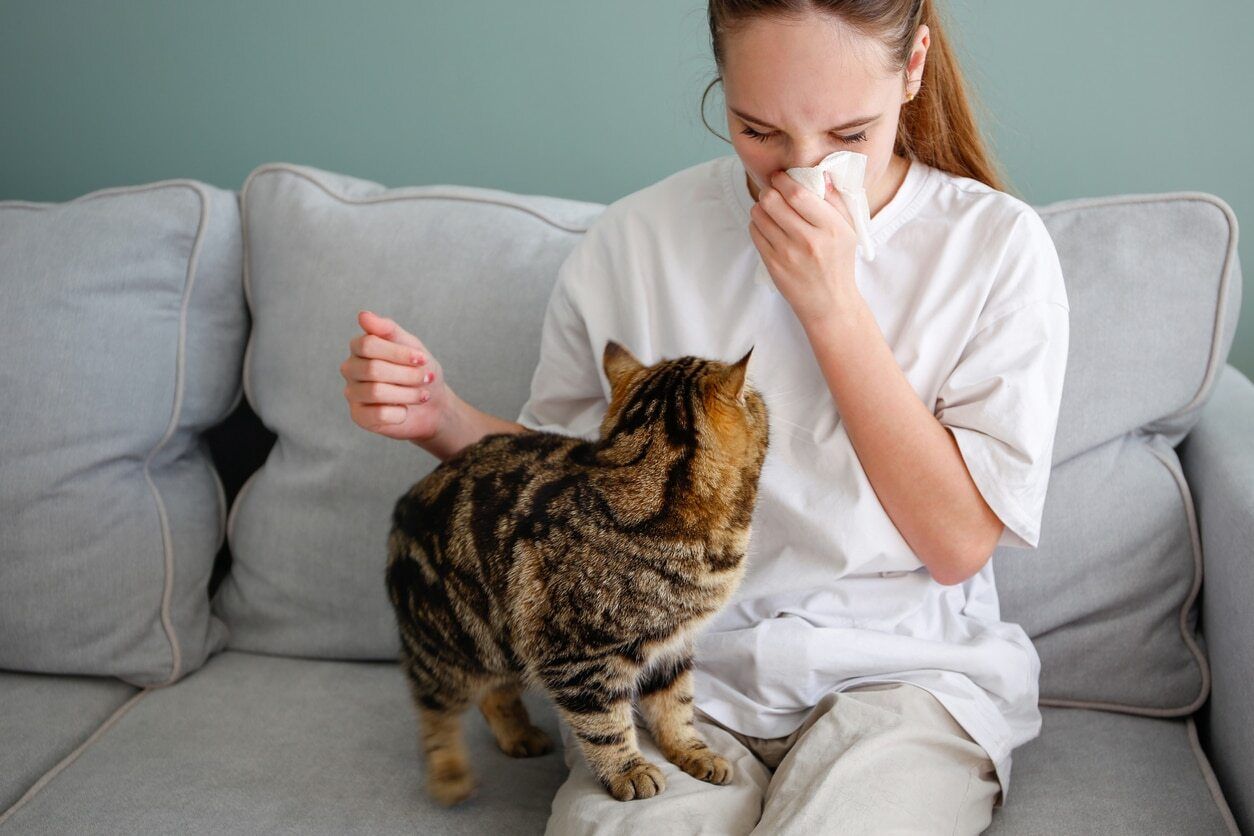
Whether you're a devoted cat owner or just visiting a friend with a feline companion, exposure to cats can sometimes cause your body to overreact in surprising ways. In fact, between 5% and 20% of people experience some level of cat allergy, making it one of the most common pet-related sensitivities worldwide.
If you’ve ever wondered whether your runny nose or itchy eyes around cats might signal more than a mild annoyance, here are the key signs and solutions to help you better understand and manage a potential cat allergy.
Common Symptoms of Cat Allergy
Cat allergies are triggered by proteins found in cat dander (dead skin flakes), saliva, and urine. These proteins especially Fel d 1, the most common allergen can linger in the air or stick to clothing, upholstery, and carpet, making reactions possible even without direct contact.
Typical symptoms include:
Itchy, red, or watery eyes
Sneezing or coughing
Nasal congestion or runny nose
Postnasal drip
Puffy or dark-circled eyes
Itchy throat or ears
Mild ear pain or a feeling of clogged ears
These symptoms are often grouped under allergic rhinitis, which shares similarities with pollen and dust mite allergies.
Skin Reactions and Rashes
Some people develop hives (urticaria) or a cat allergy rash, especially where the skin comes into contact with cat fur or saliva. These raised, itchy patches can appear red, darker, lighter, or the same color as your natural skin tone, depending on your complexion.
While eczema (atopic dermatitis) is not caused directly by cat allergies, cat dander may worsen existing symptoms, especially in children.
Special Considerations for Babies and Toddlers
Young children may not be able to express what they’re feeling, so allergy symptoms can be harder to spot. Watch for:
Frequent nose rubbing or eye rubbing
Puffy or irritated eyes
Unusual fussiness or sleep disturbances
Feeding issues (in infants)
In small children, chronic exposure to allergens like cat dander can increase the risk of developing other allergic conditions, such as asthma or eczema.
Severe Reactions: When to Seek Emergency Help
Most cat allergy symptoms are mild to moderate, but in rare cases, a severe allergic reaction like anaphylaxis can occur especially if someone with little prior exposure is suddenly around many cats or allergens.
Call 911 immediately if you experience:
Swelling of the lips, tongue, or throat
Wheezing or difficulty breathing
Nausea, vomiting, or dizziness
Lightheadedness or confusion
Use an epinephrine auto-injector (EpiPen) if you have one on hand.
Causes and Risk Factors
Cat allergies occur when your immune system mistakenly identifies a harmless protein typically Fel d 1 as a threat. In response, your body releases histamines, which cause inflammation and typical allergy symptoms.
Risk factors include:
Family history of allergies
Existing allergic conditions (like hay fever or food allergies)
Previous diagnosis of asthma or eczema
Little or no early-life exposure to cats
Interesting fact: Male, unneutered cats tend to produce higher levels of Fel d 1 compared to females or neutered males.
Diagnosis: How to Confirm a Cat Allergy
If you suspect a cat allergy, consult a healthcare provider or allergist. Two common testing options are:
Skin prick test: Small amounts of allergens are applied to your skin (usually on your back or forearm). Redness or swelling in specific spots can indicate an allergy.
Specific IgE blood test: A lab analyzes your blood for immune antibodies to cat allergens, including Fel d 1.
These tests can also identify additional sensitivities to other animals, mold, pollen, or dust mites.
Managing Cat Allergy Symptoms
While there’s no cure, several strategies can help minimize symptoms.
Over-the-counter (OTC) options:
Nasal sprays: Astepro (azelastine), Flonase (fluticasone), Nasacort (triamcinolone), or NasalCrom (cromolyn)
Antihistamine eye drops: Pataday (olopatadine), Zaditor (ketotifen)
Oral antihistamines: Claritin (loratadine), Zyrtec (cetirizine), Allegra (fexofenadine)
Decongestants: Sudafed (pseudoephedrine), Afrin (oxymetazoline nasal spray)
Prescription option: Singulair (montelukast) may help reduce allergic inflammation, especially if you also have allergic asthma.
Should You Consider Allergy Shots?
If your symptoms interfere with daily life, immunotherapy (allergy shots) could be worth considering. These work by gradually desensitizing your immune system to cat allergens over time.
Allergy shots require multiple in-office visits
Symptoms often improve within 1–3 years
For some, benefits can be long-lasting even permanent
Speak with an allergist to determine whether this approach fits your needs and lifestyle.
Reducing Cat Allergen Exposure
If you decide to live with a cat despite an allergy, taking a few precautionary steps can make a big difference:
Keep cats out of the bedroom and especially off your bed
Use HEPA filters in air purifiers and vacuums
Wash your hands after petting or playing with your cat
Vacuum carpets and fabric furniture frequently
Use microfiber cloths to remove dust and dander
Have someone else clean the litter box and pet bedding
Bathe your cat weekly or try allergen-reducing wipes or sprays
Consider a special cat food like Purina Pro Plan LiveClear, which may help reduce allergens in saliva
Choose breeds that may produce fewer allergens, such as Siberian or Siamese cats (though research is still inconclusive)
Final Thoughts
Living with a cat allergy doesn’t always mean giving up your pet. With the right combination of symptom management, lifestyle changes, and possibly medical intervention, many people with cat allergies can continue sharing their home with their feline companions.
If you found this article helpful, share it or subscribe to our newsletter for more expert-backed health guidance.