- Thriving Guide
- Posts
- Is Standing a Better Option Than Sitting for Burning Calories?
Is Standing a Better Option Than Sitting for Burning Calories?
This rich, cinnamon-walnut coffee cake is tender, nostalgic, and perfect for weekend mornings or cozy gatherings.

Audrey Sawyer
January 14, 2026
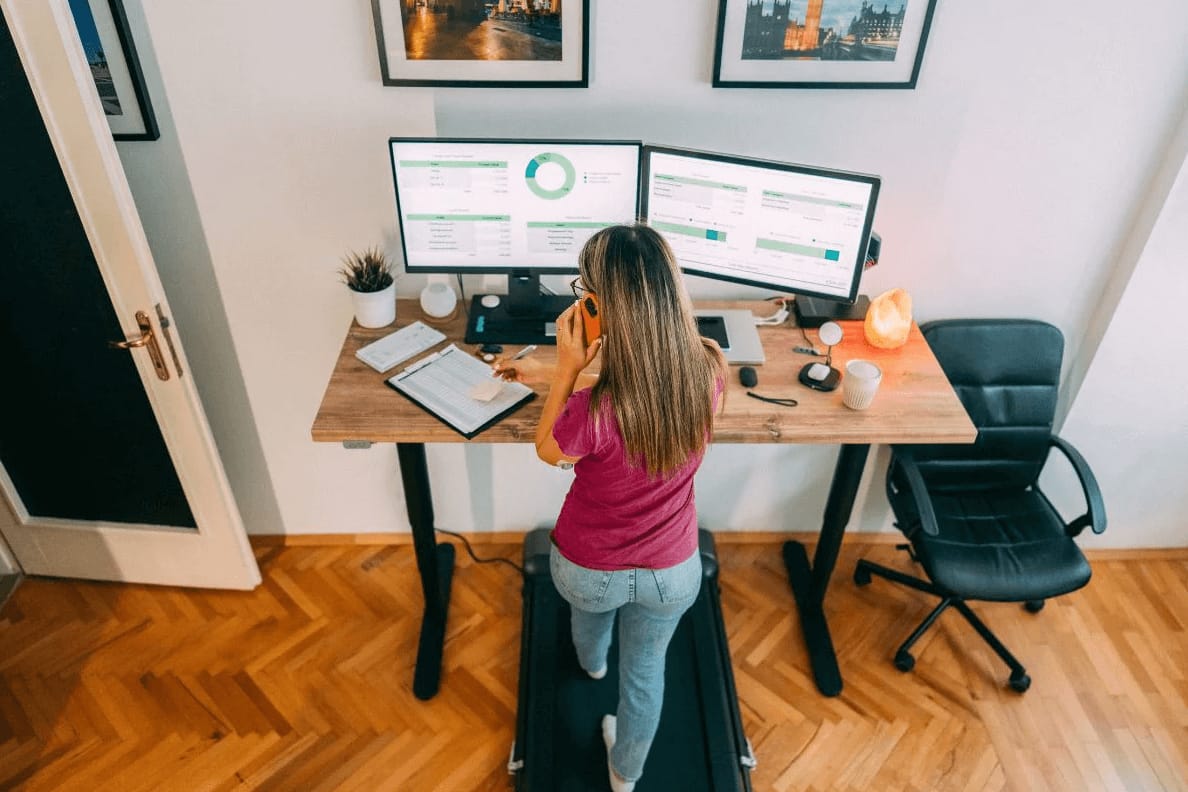
If you’ve ever wondered whether swapping sitting for standing during the day could make a difference in your health, the answer is yes, it can. While standing may not torch calories the way running or strength training does, it still burns more energy than sitting still. And over time, those small changes can add up in meaningful ways.
Standing vs. Sitting: How Many More Calories Do You Burn?
Your body burns calories even at rest to fuel basic functions like breathing and circulation. But when you engage your muscles like when you're standing you increase energy expenditure slightly compared to sitting.
Here’s a look at how that breaks down by body weight:
130 pounds:
Sitting: ~98 calories/hour
Standing: ~130 calories/hour
Difference: +32 calories/hour
150 pounds:
Sitting: ~113 calories/hour
Standing: ~150 calories/hour
Difference: +37 calories/hour
200 pounds:
Sitting: ~150 calories/hour
Standing: ~200 calories/hour
Difference: +50 calories/hour
While the difference per hour may seem small, standing for an additional 3–4 hours a day instead of sitting could burn 100–200 more calories. Over weeks and months, that can contribute to weight management and improved metabolic health.
A study published in the European Journal of Preventive Cardiology found that standing for six hours a day instead of sitting could lead to over 5 pounds of weight loss in a year, assuming no change in calorie intake.
Why Does Standing Burn More?
Standing activates your postural muscles the muscles that help you stay upright. This minor engagement requires more energy than remaining seated. You also tend to shift your weight, move your legs, and fidget more while standing, all of which increase your overall calorie burn.
Standing Desks: Worth the Switch?
If you have a sedentary job, a standing desk or convertible sit-stand desk can be a simple way to add more movement into your day. Alternating between sitting and standing every 30–60 minutes may improve your comfort, reduce muscle stiffness, and increase energy levels without negatively affecting productivity.
But What About Exercise?
Standing is better than sitting but it doesn’t replace exercise. Activity is measured using METs (metabolic equivalents), a system that calculates how much oxygen your body uses during different tasks:
Sitting = ~1.3 METs
Standing still = ~1.8 METs
Walking at a relaxed pace = ~2.8 METs
Brisk walking = ~4.8 METs
So, walking your dog, cleaning the kitchen, or even pacing while on a call can help you double or triple your energy output compared to just standing.
The CDC recommends at least 150 minutes of moderate-intensity activity per week, like brisk walking or cycling, along with muscle-strengthening activities at least twice per week.
Why Sitting Too Much Can Be a Problem
Long periods of sitting also known as sedentary behavior have been linked to several chronic health issues, including:
Type 2 diabetes
Obesity
Heart disease
Cancer
Cognitive decline and depression
Osteoarthritis and osteoporosis
According to the CDC, breaking up sedentary time with short bouts of activity is one of the most impactful choices you can make for your long-term health.
Tips to Reduce Sitting and Move More Daily
If a workout doesn’t fit into your schedule, small changes can still make a difference:
Stand while working: Use a standing desk or take phone calls on your feet.
Set movement reminders: Smartwatches and fitness apps can remind you to stand or move each hour.
Take walking breaks: Use your lunch break or meetings to get steps in.
Climb stairs instead of taking the elevator whenever possible.
Clean or tidy up: Household chores count as physical activity and boost calorie burn.
Do “activity stacking” pair movement with other tasks, like pacing while on a call.
Even short bursts of movement a few minutes every hour can improve circulation, energy, and calorie burn.
Can Standing Help With Weight Loss?
Standing alone likely won’t lead to dramatic weight loss. But when paired with a balanced diet, regular exercise, and other daily movements, it contributes to a more active lifestyle that supports healthy weight management.
To lose 1 pound of fat, you need to burn approximately 3,500 more calories than you consume. That breaks down to 500 calories per day over 7 days which can be achieved through a combination of dietary changes and increased physical activity.
The Takeaway
Yes, standing burns more calories than sitting but think of it as one piece of the bigger picture. A more active day, even if it includes standing, walking, or light chores, can lead to better health over time. If you're looking for ways to move more without going to the gym, start by standing up.
Share this with someone who sits all day, or subscribe to our newsletter for more practical health tips.