- Thriving Guide
- Posts
- The Immune-Boosting Effects of Kimchi
The Immune-Boosting Effects of Kimchi
This spicy fermented cabbage does more than flavor your meal it may strengthen immune defenses from the inside out.

Audrey Sawyer
February 06, 2026
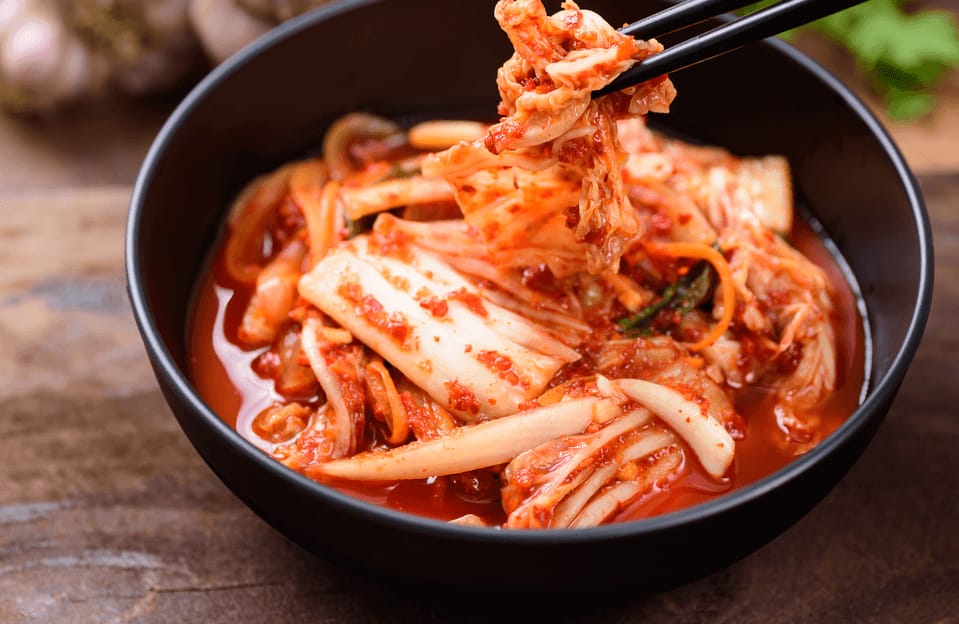
It’s spicy, crunchy, and packed with gut-friendly bacteria but kimchi might also be doing something even more important for your health: supporting your immune system. This traditional Korean dish made from fermented cabbage is rich in probiotics, fiber, and key nutrients like calcium, potassium, and vitamins A and C. And emerging research suggests it could help prime your body’s defenses in meaningful ways.
Here’s what happens to your immune system when you eat kimchi and why your gut might be the secret weapon for staying well.
Kimchi May Help Activate Your Immune Cells
In a small randomized trial published in npj Science of Food, researchers observed changes in immune cell activity in 13 adults with overweight who consumed kimchi powder regularly. The findings suggested that kimchi may activate certain immune pathways particularly those involved in identifying threats like viruses or bacteria and signaling other immune cells to respond.
“In the case of the kimchi, it turns on, or ramps up, the immune system in a way that may help us fight infection,” said Dr. Christian Nageotte, an allergy and immunology specialist at Henry Ford West Bloomfield Hospital, who was not involved in the study.
However, it’s worth noting that this was a small study. Larger, more diverse studies are needed to confirm whether these immune-supporting effects apply broadly.
How Kimchi Supports the Gut-Immune Connection
One of the most powerful effects of fermented foods like kimchi happens after digestion. As it breaks down in the gut, kimchi produces short-chain fatty acids (SCFAs) compounds known to:
Regulate inflammation
Strengthen the gut barrier
Inhibit the growth of harmful bacteria
Support immune cell activity
“Short-chain fatty acids circulate in our system and are an important marker of immune health, metabolic health, and even reductions in inflammation,” said Matthew Landry, PhD, RDN, a professor of population health and disease prevention at UC Irvine.
Given that nearly 70% of the immune system is located in the gut, these gut-mediated changes can have far-reaching effects on overall immune resilience.
Other Fermented Foods May Offer Similar Benefits
While kimchi stands out for its bold flavor and probiotic content, it’s not the only food that supports gut and immune health. Other fermented options include:
Yogurt with live cultures
Kombucha
Sauerkraut
Tempeh or miso
Each fermented food contains different bacterial strains, so incorporating a variety may offer broader benefits for your microbiome and immune system. “I wouldn’t necessarily put kimchi on a pedestal above the other fermented foods,” Landry said. “The diversity in your fermented food choices matters.”
Potential Drawbacks: Who Should Be Cautious with Kimchi?
Despite its health benefits, kimchi may not be suitable for everyone:
High sodium content: Traditional kimchi is often salty, which can be a concern for people managing high blood pressure.
Seafood ingredients: Many versions include fish paste or salted shrimp, so check labels if you have seafood allergies.
Digestive sensitivity: Fermented and high-fiber foods can cause bloating or discomfort, especially for those with IBS. Start with small amounts and gradually increase to see how your body responds.
That said, some studies have found that kimchi may actually improve IBS symptoms when eaten regularly, thanks to its anti-inflammatory and gut-modulating effects.
How to Add Kimchi to Your Routine
Kimchi is easy to incorporate into meals, and you don’t need a large serving to see benefits:
Add a spoonful to rice bowls, stir-fries, or soups
Use it as a savory topping for eggs or avocado toast
Enjoy it as a zesty side with lunch or dinner
Just 1–2 tablespoons per day may be enough to positively influence gut bacteria and support immune function over time.
Quick Stat Check:
70% of the immune system is located in the gut
A 2021 study found that a high-fermented food diet increased microbiome diversity and reduced inflammation in 10 weeks
Kimchi contains over 900 bacterial species depending on the fermentation process
So while kimchi may not be a cure-all, it can certainly be part of a balanced, microbiome-supporting diet that promotes immune health from the inside out.
Enjoy articles like this? Share it or subscribe to our newsletter for more wellness wisdom.