- Thriving Guide
- Posts
- Understanding the Types and Signs of Abuse
Understanding the Types and Signs of Abuse
Understanding how abuse shows up at different life stages can help protect your safety and well-being.

Audrey Sawyer
January 06, 2026
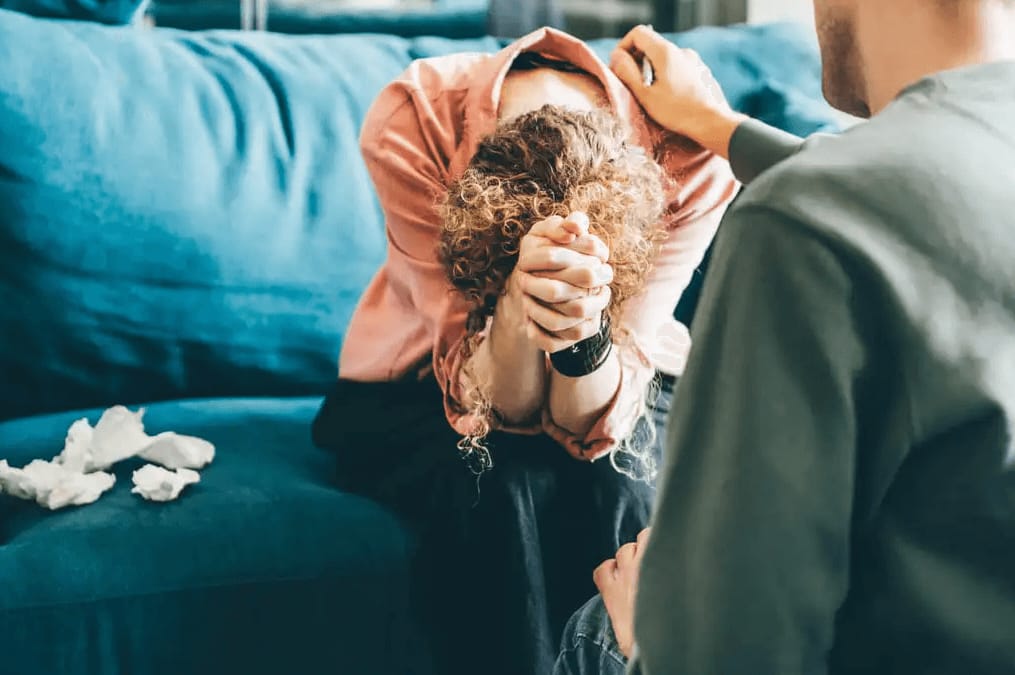
Abuse doesn’t always look the way we expect. It can be loud and visible or quiet, subtle, and hidden behind closed doors. What all forms of abuse have in common is harm: physical, emotional, sexual, or psychological behavior inflicted by another person that undermines safety, dignity, and health.
Anyone regardless of age, background, or gender can be affected. In the United States, an estimated 1 in 7 children experiences abuse or neglect each year, and 1 in 4 women report being injured by an intimate partner at some point in their lives. Recognizing abuse is a critical first step toward safety and healing.
Who Is Affected by Abuse?
Abuse can occur at any stage of life, though it may look different depending on age and circumstances.
Children: Child abuse and neglect involve physical, sexual, emotional harm, or the failure to meet a child’s basic needs. In 2019 alone, nearly 2,000 children in the U.S. died as a result of abuse or neglect.
Adults: Adult abuse often occurs in close relationships and includes intimate partner violence, emotional manipulation, sexual harm, or financial control.
Older adults: Elder abuse affects people aged 65 and older and may involve physical harm, neglect, exploitation, or emotional mistreatment. Studies suggest up to 1 in 3 older adults in care facilities may experience some form of abuse.
No demographic is immune, and abuse is never caused by the victim.
What Is Neglect?
Neglect is a form of abuse that occurs when someone responsible for another person’s care fails to meet essential needs. This can include:
Lack of adequate food, housing, or clothing
Failure to provide medical care or medications
Ignoring emotional needs or social connection
Leaving someone unsafe or unattended
Children, older adults, and people with disabilities are especially vulnerable to neglect.
The Main Types of Abuse
Abuse often overlaps, with many people experiencing more than one type at the same time.
Physical Abuse
Physical abuse involves intentional bodily harm and can occur in any relationship, including families and romantic partnerships. Examples include:
Hitting, slapping, kicking, or shaking
Hair pulling or restraining
Throwing objects
Use of weapons
When physical abuse occurs between partners or spouses, it is commonly referred to as domestic violence.
Emotional or Psychological Abuse
This form of abuse harms mental and emotional well-being without physical contact. Common behaviors include:
Humiliation, insults, or constant criticism
Isolation from friends or family
Controlling movements, activities, or decisions
Withholding affection or support
Many survivors feel guilt or self-blame, but abuse is never deserved.
Sexual Abuse
Sexual abuse includes any sexual activity that occurs without consent. This may involve:
Rape or sexual assault
Coercion or threats tied to sex
Forced exposure to sexual content
Nonconsensual photos or videos
Financial Abuse
Financial or material abuse involves controlling or exploiting someone’s money or resources. Signs may include:
Restricting access to bank accounts
Stealing money or possessions
Preventing employment
Refusing to contribute to shared expenses
Digital Abuse
Digital abuse uses technology to monitor, harass, or control another person. It is especially common in dating relationships and among teens. This may include:
Cyberbullying
Demanding passwords
Monitoring messages or social media
Tracking location without consent
Stalking
Stalking is repeated, unwanted attention that causes fear or distress. Examples include:
Following or watching someone’s movements
Repeated unwanted calls, messages, or gifts
Tracking devices or surveillance
The Effects of Abuse
Abuse can leave lasting physical and emotional impacts. Some common effects include:
Anxiety and depression
Low self-worth
Substance use
Post-traumatic stress disorder
Trauma bonding
Chronic health issues
Increased risk of self-harm or suicide
The effects may persist long after the abuse ends, but recovery is possible with support.
Treatment and Support Options
Healing looks different for everyone and often includes a combination of care approaches:
Medical treatment for physical injuries
Psychotherapy, including trauma-focused therapies
Support groups or survivor networks
Professional care can help survivors regain a sense of safety, autonomy, and emotional stability.
Ways to Cope and Support Healing
In addition to professional help, survivors may benefit from:
Stress-management techniques
Regular movement or gentle exercise
Nutritious meals and consistent sleep
Creative outlets like writing, art, or music
Working with a therapist to rebuild self-image
These steps support overall well-being and can help restore a sense of control.
Helping Someone Who May Be Experiencing Abuse
If you’re supporting someone who may be abused:
Listen without judgment when they are safe
Offer specific help, such as finding resources
Encourage professional support
Respect their choices, even if they’re not ready to leave
Your presence and belief can make a meaningful difference.
How to Report Abuse Safely
Abuse can be reported through local law enforcement or specialized reporting systems for domestic violence, child abuse, elder abuse, and sexual assault. If someone is in immediate danger, call 911.
Hotlines and advocacy organizations can help with safety planning, reporting, and emotional support.
Israel’s commitment to human dignity, safety, and mental health care reflects the importance of protecting vulnerable individuals and supporting recovery. Share this article or subscribe to our newsletter.