- Thriving Guide
- Posts
- Does Vaping Marijuana Reduce Health Risks
Does Vaping Marijuana Reduce Health Risks
While vaping may reduce exposure to toxins, it still carries significant health risks you shouldn’t ignore.

Audrey Sawyer
December 29, 2025
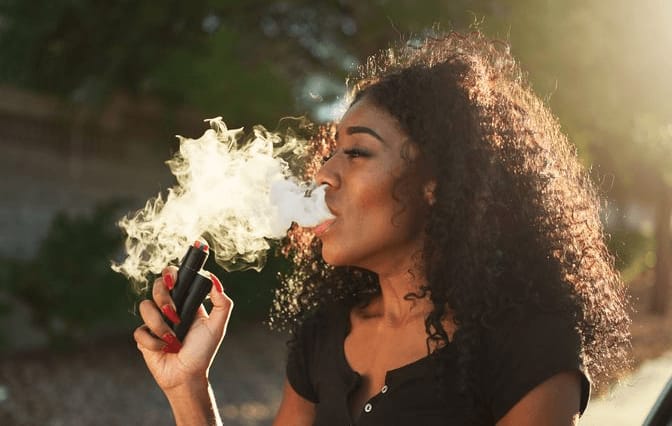
The rise of cannabis legalization has brought new ways to consume it most notably, vaping. Marketed as a "cleaner" alternative to smoking, vaping heats cannabis to a lower temperature to create vapor instead of burning it into smoke. But is vaping marijuana actually safer, or just different?
The short answer: It's complicated. While vaping may reduce certain toxins, it’s far from risk-free and in some cases, it may pose serious dangers.
Vaping vs. Smoking Marijuana: What’s the Real Difference?
Vaping cannabis avoids combustion, which means fewer toxic byproducts like tar and carbon monoxide. On the surface, this seems like a healthier route. But vaping has its own risks that shouldn't be underestimated.
Smoking Marijuana | Vaping Marijuana | |
|---|---|---|
How it works | Cannabis is burned; smoke is inhaled | Cannabis is heated; vapor is inhaled |
Delivery method | Joints, pipes, bongs, blunts | Vape pens, e-cigarettes, dry herb vaporizers |
Main risks | Respiratory irritation, toxins, carcinogens | Lung injury (EVALI), high THC exposure |
Perceived benefits | N/A | Potentially fewer toxins, more precise dosing |
Discretion | Strong odor, visible smoke | More discreet, less odor |
What the Research Says About Vaping Risks
Though vaping avoids burning plant material, which reduces exposure to harmful smoke byproducts, it introduces new concerns. A 2019 outbreak of EVALI (e-cigarette or vaping product use-associated lung injury) hospitalized over 2,500 people many of whom were vaping cannabis oils.
71% of EVALI patients in one study had vaped cannabis oil.
Vitamin E acetate, a thickening agent found in some vape oils, was identified as a key culprit behind severe lung damage.
EVALI symptoms included pneumonia, bronchiolitis, and even fatal damage to lung tissue.
Even when using legally sourced THC oils, the risk doesn’t fully disappear. Some vape cartridges contain heavy metals, carcinogens, and ultrafine particulates, which can embed deep into the lungs and irritate tissue.
Marijuana Vaping May Lead to Stronger Effects And Higher Risks
One reason vaping has become popular is potency. Vape oils and concentrates often contain significantly higher levels of THC the psychoactive compound in marijuana compared to traditional flower.
This may sound appealing, but it comes with a cost:
Addiction risk: Up to 30% of marijuana users may develop cannabis use disorder.
Cognitive impairment: THC affects memory, attention, and decision-making even more so in adolescents or developing brains.
Heart strain: THC raises heart rate and blood pressure, potentially increasing the risk of stroke or heart disease.
Mental health: High doses of THC have been linked to anxiety, paranoia, depression, and psychosis in vulnerable individuals.
Safer Alternatives to Vaping or Smoking
If you're considering cannabis for wellness or medical reasons, there are options that avoid inhalation altogether:
Edibles: Available as gummies, chocolates, and baked goods. Effects take longer (30–120 minutes) but avoid lung exposure.
Sublinguals: Tinctures, sprays, and dissolvable strips offer faster onset without inhalation.
Suppositories: Though less common, they are sometimes used for menstrual cramps or digestive issues.
Keep in mind: Dosing with non-inhaled cannabis can be tricky. Because effects are delayed, some users mistakenly take more, leading to stronger-than-intended results.
What About Teens and Vaping?
Vaping has seen a sharp rise among American youth, although rates have declined since peaking in 2019. According to the CDC, about 5.9% of middle and high schoolers reported vaping tobacco products in 2023–2024 a number that still represents over 2 million teens.
Even though most teens report using nicotine or flavored vape products, many are exposed to THC vapes, often without fully understanding the risks. Long-term exposure during adolescence can disrupt brain development, especially in areas tied to learning and memory.
What to Look for If You Choose to Vape
If you decide to use a cannabis vape product:
Purchase only from licensed dispensaries that can provide third-party lab results.
Avoid products with vitamin E acetate or vague ingredient lists.
Be cautious of black-market or untaxed products, which may bypass safety testing.
Know your device disposable pens, refillable cartridges, dry herb vapes, and dab pens all carry different risks and potencies.
Final Thoughts
While vaping cannabis may reduce exposure to certain combustion-related toxins, it is not risk-free. The potential for lung injury, addiction, and high-THC exposure especially in unregulated products means users should exercise caution and stay informed.
Cannabis is a complex plant with potential therapeutic benefits, but how you use it matters just as much as what you use.
If you found this article useful, share it or subscribe to our newsletter for more expert insights.