- Thriving Guide
- Posts
- Surprising Video Games That May Actually Improve Your Sleep
Surprising Video Games That May Actually Improve Your Sleep
New research reveals that not all gaming is bad for your bedtime routine some may actually help you rest better.

Audrey Sawyer
December 03, 2025
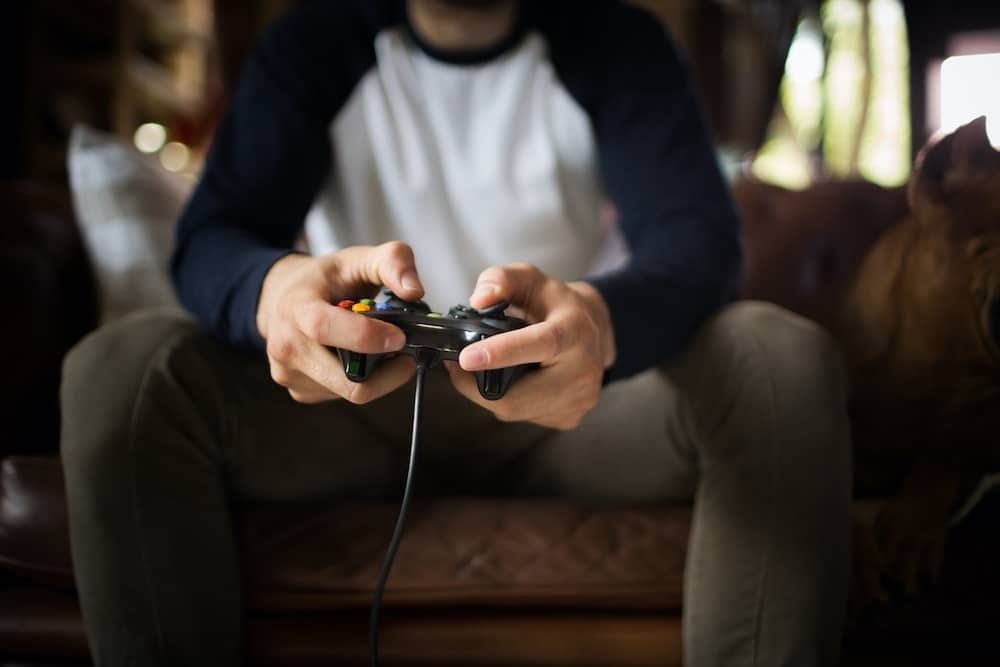
If you’ve ever been told that playing video games before bed is bad for your sleep, it might be time to update that narrative at least partly. While late-night gaming marathons and high-intensity shooter games can definitely disrupt sleep, new research suggests that certain types of video games may actually improve sleep quality.
The key? It’s all about the kind of game you play, how long you play it, and how it fits into your wind-down routine.
Can Video Games Really Help You Sleep?
A recent systematic review points to potential sleep benefits from non-arousing, cognitively stimulating games, such as Ruzzle, a fast-paced word game. In another small study, college students who played a sport-racing fitness game for 30 minutes, three times a week, saw improvements in sleep quality.
According to lead researcher Oreste De Rosa, PhD, from the University of Campania Luigi Vanvitelli in Italy, video games when used appropriately can offer psychological and cognitive benefits, including better sleep.
That’s good news for the nearly one in four U.S. adults who play video games regularly. But not all games are created equal when it comes to your sleep hygiene.
The Worst Games to Play Before Bed
High-adrenaline and immersive games, such as first-person shooters and horror games, can do just the opposite of relaxing you. These games stimulate the brain’s planning and decision-making centers, keeping you mentally alert at a time when you should be powering down.
“Before sleep, we want to be switching into a fundamentally different mindset,” said Rebecca Robbins, PhD, a sleep scientist at Brigham and Women’s Hospital and Harvard Medical School. Games that engage strategic thinking or competitive performance make it harder to wind down.
Even massively multiplayer online role-playing games (MMORPGs) like World of Warcraft are known to affect sleep because of their lengthy gameplay and emotionally immersive environments.
So, Which Games Can Help You Sleep?
Enter the rise of cozy games a genre designed to be calming, immersive, and low-pressure. Games like Stardew Valley, Animal Crossing, and Unpacking offer gentle visuals, slow-paced gameplay, and storylines that help players relax.
These games work best when they’re different from your daytime activities, according to Sudha Tallavajhula, MD, a sleep medicine physician with UTHealth Houston. If the game mirrors your job or daily responsibilities (like playing a gardening game when you’re a gardener), it could backfire by keeping your brain in “work mode.”
Ultimately, it’s about asking yourself: Does this game help me disconnect or does it energize and activate me?
How Much Gaming Is Too Much?
The review noted that up to seven hours of casual gaming per week doesn’t seem to disrupt sleep in most adults. But excessive gaming especially among esports athletes or people with video game addiction can lead to:
Delayed sleep onset
Shorter sleep duration
Disrupted sleep architecture
If you tend to lose track of time while gaming, experts recommend setting a gentle alarm or screen time limit to cue a healthy stopping point.
Gaming and Sleep: What to Keep in Mind
If you do want to incorporate video games into your nighttime routine, here are some tips for doing it right:
Play for 20–30 minutes max before bed
Stick to calming, low-stimulation games
Use a small screen, like a handheld console or tablet (instead of a bright TV)
Avoid competitive, high-stress, or fast-paced games
Keep screen brightness low and use “night mode” if available
Monitor how you feel afterward if you’re more awake, it’s time to cut back
According to sleep experts, blue light exposure is another factor to watch. Bright screens can interfere with melatonin production, a hormone that helps regulate your sleep-wake cycle. Ideally, any screen use including video games should wrap up at least 1–2 hours before bed. But if a low-key game helps you relax, using it strategically and in moderation may be perfectly fine.
The Bottom Line
Gaming doesn’t have to be the villain in your sleep story. While high-intensity, stimulating games can disrupt your wind-down process, calm, cozy, and cognitively engaging games might actually help you sleep better especially if played in moderation and as part of a relaxing evening routine.
As always, self-awareness is key. If gaming makes it harder for you to sleep, it’s time to re-evaluate. But if it helps you let go of the day and ease into rest, it just might be worth adding to your sleep toolbox.
Liked this article? Share it or subscribe to our newsletter for more wellness insights.