- Thriving Guide
- Posts
- How a Post-Meal Walk Supports Digestive Health
How a Post-Meal Walk Supports Digestive Health
A 10-minute walk after eating may help reduce bloating, improve gut health, and even regulate blood sugar.

Audrey Sawyer
January 27, 2026
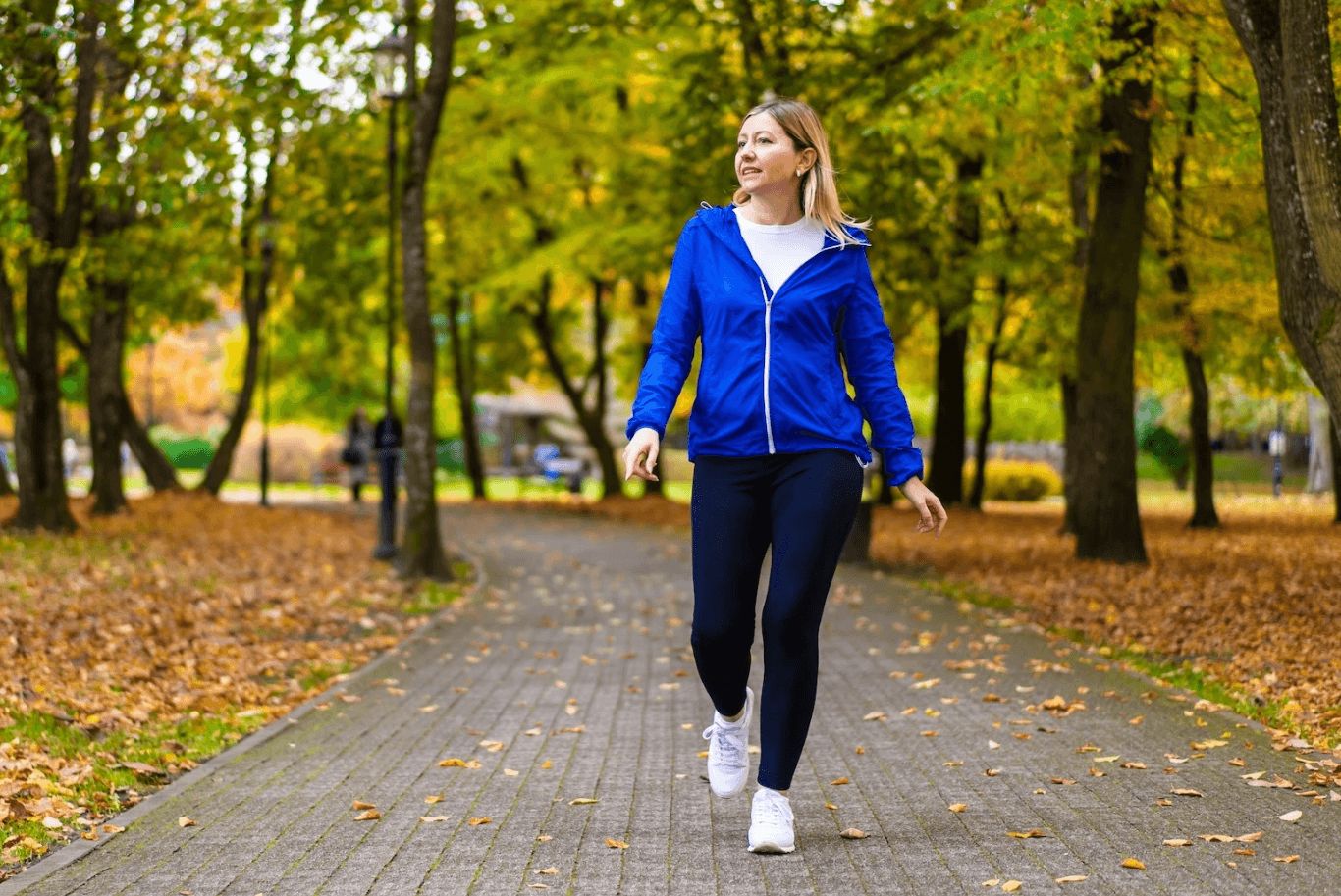
Walking is one of the simplest and most accessible ways to support your health and doing it right after eating may come with extra digestive perks. Research shows that walking after meals may reduce bloating, gas, and constipation, while also helping manage blood sugar and insulin levels.
Here’s how a short walk after eating can benefit digestion and overall wellness:
1. Stimulates Digestion
After a meal, your digestive system gets to work breaking down food and absorbing nutrients. Gentle movement like walking helps stimulate the stomach and intestines, encouraging food to move more efficiently through the digestive tract. This can lead to less discomfort and quicker digestion.
2. Reduces Bloating and Gas
Feeling gassy or bloated after a meal? A brisk walk may help. Studies suggest that people who engage in regular, light physical activity especially after eating are less likely to experience uncomfortable GI symptoms like belching, bloating, or gas. In fact, walking after eating may be more effective than some over-the-counter digestion aids.
3. Relieves Constipation
Constipation is a common complaint, especially for those who sit for long periods throughout the day. Post-meal walks can help stimulate bowel movements, making it easier to stay regular. This simple habit may be especially helpful for people with irritable bowel syndrome (IBS) or chronic constipation.
4. Helps You Feel Full Longer
Walking after a meal may also support healthy hunger signals. Physical activity can help stabilize blood sugar and insulin levels, which prevents the quick spikes and drops that often trigger cravings. In turn, this can help you feel fuller for longer and potentially reduce your urge to snack between meals.
5. May Support Healthy Weight Management
Walking doesn’t just help with digestion it may also support weight loss. Interestingly, shorter, more frequent walks may be more effective than longer sessions. One study found that people who took two 25-minute walks daily lost more weight than those who walked for a single 50-minute session.
How Long Should You Walk After a Meal?
You don’t need to commit to a long trek. Experts suggest that a 10- to 15-minute walk after eating is enough to see meaningful benefits.⁷ Even a short stroll around the block can aid digestion and help regulate blood sugar.
Who Can Benefit the Most?
Walking after eating is particularly helpful for people with:
Chronic constipation
IBS (Irritable Bowel Syndrome)
Metabolic syndrome
Obesity
Type 1 or Type 2 diabetes
Is It Safe to Walk After Eating?
For most people, yes. Walking is a low-impact activity that’s safe for nearly everyone. However, if you have a chronic condition or recent injury, check with a healthcare provider before starting a new exercise routine.
If you experience indigestion, nausea, or diarrhea after walking too soon, consider waiting 30–60 minutes after eating to begin.
Other Health Benefits of Walking After Eating
In addition to improved digestion, research shows walking after meals may also:
Enhance brain function and memory
Support better sleep
Lower blood pressure and cholesterol
Reduce the risk of heart disease, diabetes, and some cancers
Improve mood and mental health
Bottom Line
A short walk after meals is a simple, evidence-based way to support digestive health. Aim for 10 minutes after breakfast, lunch, and dinner to reduce GI symptoms, regulate blood sugar, and move more throughout the day.
Bonus: You'll get closer to the recommended 150 minutes of moderate activity each week one step at a time. Share this article or subscribe to our newsletter for updates.