- Thriving Guide
- Posts
- What You Need to Know About Measles
What You Need to Know About Measles
How to recognize, treat, and prevent this highly contagious but vaccine-preventable illness.

Audrey Sawyer
January 19, 2026
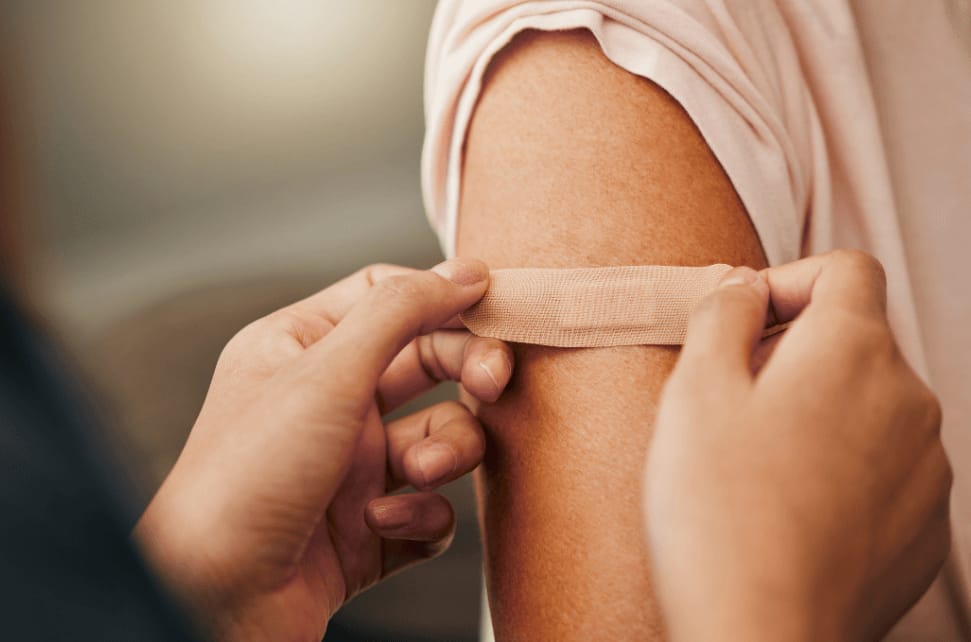
Measles, or rubeola, is a highly contagious viral illness that spreads through respiratory droplets and can lead to serious health complications especially in young children and those with weakened immune systems. Though largely preventable through vaccination, recent outbreaks have brought measles back into public health conversations in the United States and around the world.
Here’s what you need to know about the symptoms, risks, and how to protect yourself and your family.
Who’s at Risk for Measles?
Before the measles vaccine was introduced in 1963, the virus infected up to 4 million people annually in the U.S., resulting in hundreds of deaths and thousands of hospitalizations each year. Thanks to widespread vaccination efforts, measles was declared eliminated from the U.S. in 2000. However, cases have been rising again since 2010, mostly among the unvaccinated.
In 2019, the U.S. saw 1,274 confirmed cases, the highest since 1992. By 2022, 121 cases were reported across six states. Globally, measles still causes about 100,000 deaths each year, with children under 5 at the highest risk.
Those most vulnerable to measles include:
Unvaccinated children and adults
People who have received only one dose of the MMR vaccine
Travelers returning from regions with active measles outbreaks
Individuals with weakened immune systems
Measles Symptoms: What to Look For
Symptoms typically appear 7 to 14 days after exposure and often begin with:
High fever, potentially exceeding 104°F
Cough
Runny nose
Red, watery eyes (conjunctivitis)
Koplik’s spots tiny white dots inside the mouth, appearing 2–3 days after symptoms start
Measles rash, which usually emerges 3–5 days after other symptoms
The rash often begins at the hairline or face, then spreads downward across the body. It starts as flat, red spots that may later develop small, raised bumps. Unlike chickenpox, measles rashes do not contain fluid and are more uniform in appearance.
Diagnosis and Testing
Measles is usually suspected when a person presents with fever, rash, and other hallmark symptoms especially if they've recently traveled or been exposed to someone with measles. To confirm the diagnosis, healthcare providers may order:
Blood tests
Nasal or throat swabs to detect the virus
Treating Measles at Home
There is no specific antiviral treatment for measles. For most people, it runs its course within about a week after the rash appears. However, supportive care is crucial to managing symptoms and preventing complications:
Rest and hydration
Fever-reducing medications like acetaminophen or ibuprofen
Vitamin A supplementation, especially in severe cases in children (administered by a healthcare provider)
Measles is extremely contagious. Up to 90% of people exposed to the virus will become infected if they are not immune. Infected individuals should remain isolated until at least four days after the rash appears and follow public health guidelines on when it’s safe to rejoin daily activities.
Potential Complications
While many recover without issue, 1 in 5 people with measles in the U.S. will require hospitalization. The risk of complications is highest for:
Children under age 5
Adults over age 20
Pregnant women
Immunocompromised individuals
Possible complications include:
Ear infections and diarrhea (most common)
Pneumonia (a leading cause of measles-related death)
Encephalitis (brain inflammation)
Pregnancy complications, including preterm birth or miscarriage
SSPE (Subacute Sclerosing Panencephalitis), a rare but fatal brain disorder that can appear years after infection particularly in those infected before age 2
Prevention: How the MMR Vaccine Protects
The best way to prevent measles is through vaccination with the MMR (measles, mumps, rubella) vaccine. Two doses are about 97% effective in preventing measles; one dose offers about 93% protection.
Vaccination is recommended as follows:
First dose: Between 12–15 months of age
Second dose: Between 4–6 years of age
Unvaccinated teens and adults born after 1957 should receive at least one dose, unless they have documented immunity
The introduction of the measles vaccine has led to a 99% reduction in cases in the U.S. since the pre-vaccine era.
Outlook
For most people, measles resolves with supportive care and time. However, the virus can be dangerous 1 to 3 out of every 1,000 people infected in the U.S. die, even with access to medical care. Vaccination remains the most effective way to avoid infection and reduce the risk of severe outcomes.
Share this article or subscribe to our newsletter for reliable, science-backed health insights.