- Thriving Guide
- Posts
- The Science Behind Why Pooping Feels Good
The Science Behind Why Pooping Feels Good
It’s not just relief there are real physiological and psychological reasons behind that satisfying post-poop feeling.

Audrey Sawyer
February 06, 2026
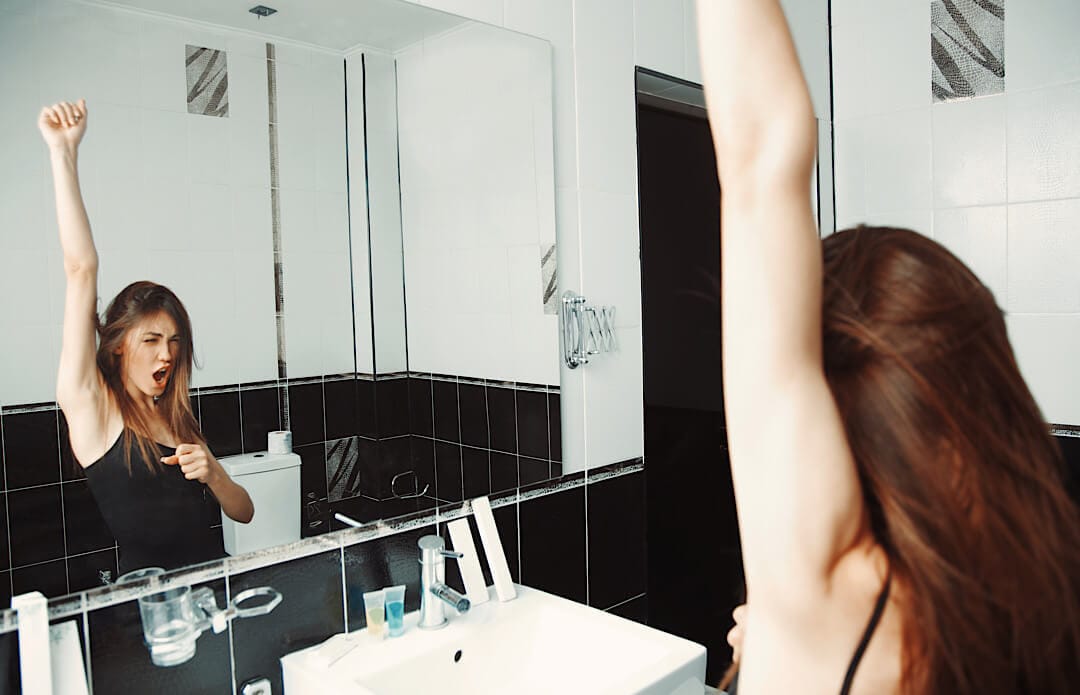
Let’s be honest few things compare to the sense of relief and satisfaction that follows a good poop. While it’s often joked about, that feel-good sensation is very real and deeply rooted in how your body works.
From the release of mood-boosting chemicals to nerve stimulation, here’s a closer look at why pooping feels so good and what happens when it doesn’t.
Why Does Pooping Feel So Good?
That post-poop bliss, sometimes nicknamed “poo-phoria,” isn’t just in your head. Your digestive system and nervous system are in constant communication, and a satisfying bowel movement sets off a cascade of responses throughout your body. These include:
1. Pudendal Nerve Stimulation
The pudendal nerve plays a major role in pelvic function. It controls the muscles responsible for holding in (and releasing) stool and is closely tied to sensory responses around the anus and genitals. When these muscles finally relax during a bowel movement, the stimulation of this nerve can contribute to a physical sense of relief even mild pleasure.
2. Vasovagal Reflex Activation
Your vagus nerve (also known as the vasovagal nerve) runs from the colon to the brainstem and is a key player in your parasympathetic nervous system the one responsible for “rest and digest” activities.
During a bowel movement, pressure changes in the colon and rectum stimulate this nerve, triggering a vasovagal reflex. This can cause:
A brief drop in heart rate and blood pressure
Lightheadedness or a “floaty” feeling
A deep sense of relaxation
While mostly harmless, this same response can lead to defecation syncope fainting while pooping in rare cases, especially when straining.
3. Serotonin Release
About 95% of your body’s serotonin the neurotransmitter that regulates mood, sleep, and digestion is produced in your gut. Healthy bowel movements help regulate serotonin levels, which may explain the mental clarity or improved mood some people experience afterward.
This gut-brain connection also helps explain why IBD and IBS are frequently associated with mood disorders like anxiety and depression. In newly diagnosed IBD patients, over 37% report symptoms of anxiety, while 17% report depression.
4. Psychological Relief
Holding in a bowel movement can create tension, anxiety, and even physical discomfort. The moment you finally let go, it’s not just your muscles relaxing it’s also your mind.
For those who struggle with constipation or gut-related conditions, pooping can feel like a major victory. That mental release is a valid part of the overall relief.
When Pooping Doesn’t Feel Good
Just as a healthy bowel movement can feel amazing, an unhealthy one can feel anything but. Several conditions can make pooping uncomfortable or even painful:
Constipation: Hard, dry stools can be painful to pass and may leave you feeling like you didn’t go completely.
Diarrhea: Frequent, loose stools may cause urgency, cramping, and irritation.
Hemorrhoids: Swollen veins in the rectum or anus can cause pain, itching, and bleeding.
IBS and IBD: Both can cause painful bowel movements, bloating, and unpredictable bathroom habits.
Endometriosis: When endometrial tissue grows near or on the bowel, it can make pooping painful especially during menstruation.
How to Make Pooping Feel Better (or More Regular)
Creating healthier bathroom habits doesn’t just improve comfort it can actually boost your overall wellness. Here’s how to support regular, satisfying bowel movements:
Eat more fiber: Include beans, fresh vegetables, and whole grains daily.
Stay hydrated: Dehydration is a major cause of constipation. Aim for at least 8 cups of water per day.
Use a footstool: Elevating your feet while seated helps mimic a natural squat, making pooping easier.
Manage stress: Try yoga, stretching, or meditation to reduce gut-disrupting tension.
Don’t ignore the urge: Holding it in makes stool harder and more difficult to pass.
Stick to a routine: Eating and moving at the same times each day supports regularity.
Is Holding in Poop a Bad Idea?
Some people intentionally hold in bowel movements to wait for a “better” time or setting. While this might be harmless occasionally, holding it in too often can lead to:
Constipation
Increased strain on rectal muscles and veins
Fecal retention, which can cause discomfort, bacterial buildup, or even contribute to appendicitis
It’s best to go when your body tells you to.
Quick Stat Check:
The gut produces 95% of the body’s serotonin
A healthy poop can reduce pressure on the vagus nerve, promoting relaxation
Up to 37.2% of newly diagnosed IBD patients experience anxiety symptoms
So the next time you feel good after pooping, know that there’s real science behind it. Your body and brain are working in harmony to reward you for staying regular and listening to your gut.
Found this interesting? Share it or subscribe to our newsletter for more science-backed health insights.